

A Founder’s Return. A Strategic Investment. A Scalable Future.
In 2000, Jared Jester graduated from SCAD with a degree in Graphic Design and immediately stepped into entrepreneurship—launching his first company the week following Graduation. That venture evolved into a globally deployed mobile application business serving dealer networks worldwide, ultimately leading to a successful exit in 2017. Since then, Jared has built and scaled additional ventures across food, agriculture, and manufacturing.
A design-driven materials company rooted in sustainability, supply chain efficiency, and Southeastern agricultural abundance.
Today, Hull & Husk represents the convergence of creative thinking, operational grit, and circular-economy innovation. What began as experimentation with pecan shells and agricultural inputs has grown into a multi-division biomass platform spanning:
Premium cooking pellets
Animal feed & deterrents
Soil amendments
Energy & modular pellet production
Why
A reinvestment in alumni innovation
A tangible sustainability initiative
A platform for student engagement (design, packaging, product, branding, industrial design)
A long-term equity position in a rapidly scaling biomass enterprise
This opportunity aligns creativity with commerce and environmental stewardship.

Capital Request Overview
Additional Details for each Category Located lower on this page:
Hull & Husk is presenting five strategic investment tiers. Each level plays a critical role in accelerating growth, scaling production, and increasing profitability.
-
Supports relocation from Bluffton, SC to Bamberg, SC, establishing operations in an Opportunity Zone and creating new production and plant management jobs. This capital stabilizes transition, protects momentum, and preserves market relationships.
-
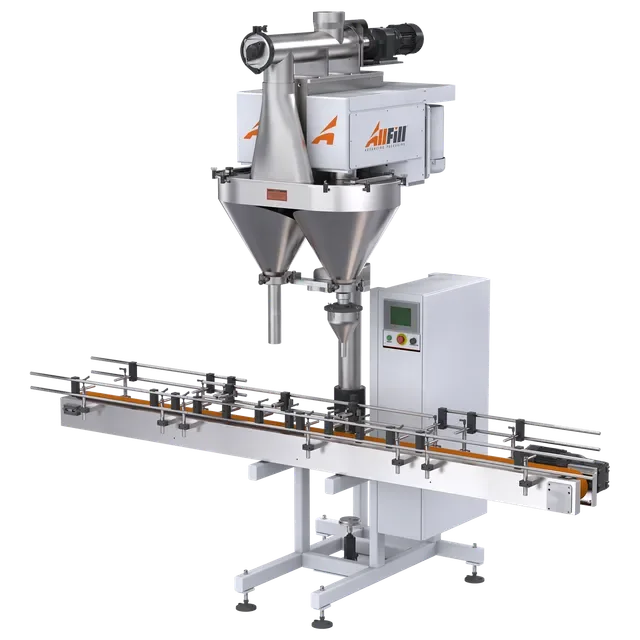
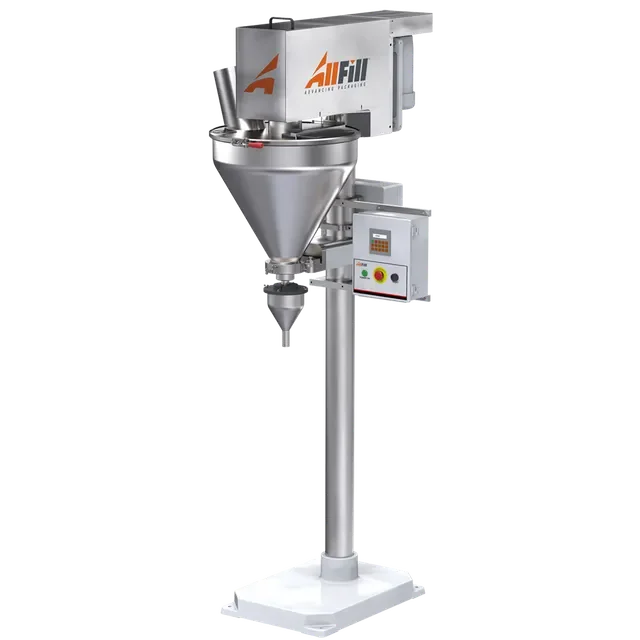
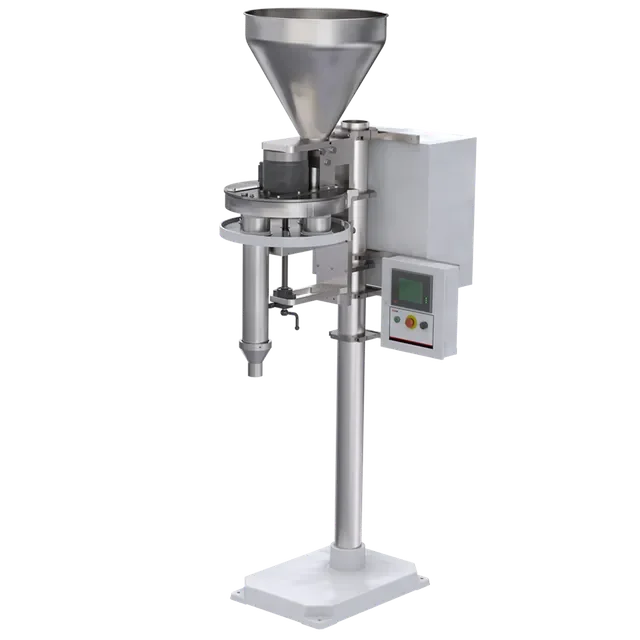
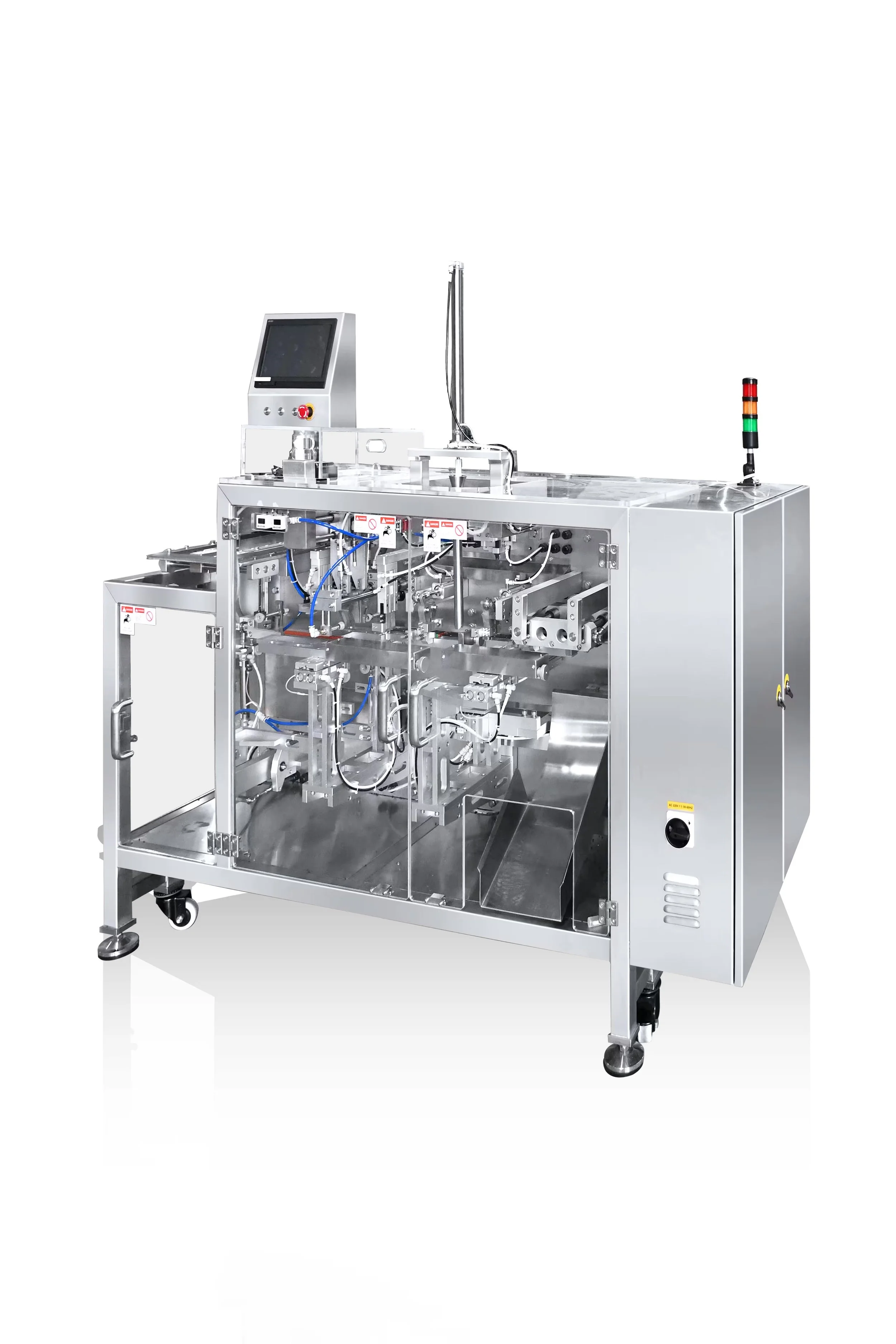
Acquisition of weighers, auger fillers, and form-fill-seal equipment to increase production efficiency and reduce labor dependency. This step materially improves margins and enables consistent SKU expansion.
-
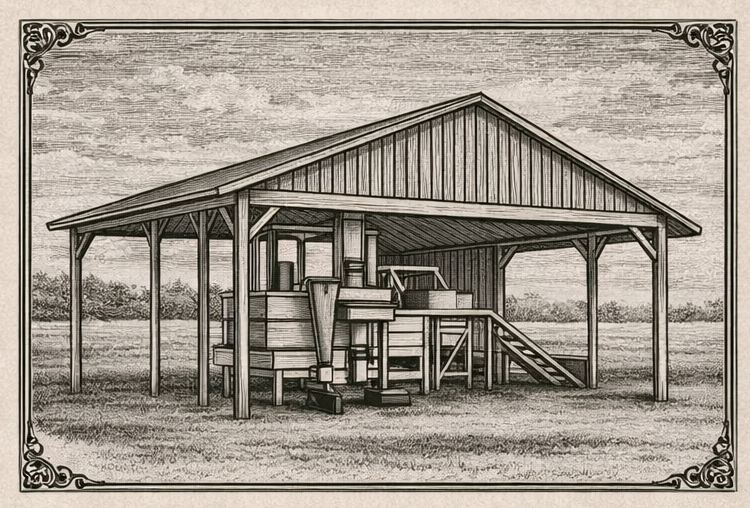
Drying capability for wood, pecan shells, and coffee inputs allows immediate revenue generation across divisions. This system unlocks year-round processing reliability and dramatically improves throughput and product consistency.
-
A scalable, modular packaging solution for tubs, pouches, buckets, and specialty pellet formats. This transforms Hull & Husk from semi-manual operations to industrial efficiency, supporting regional and national retail expansion.
-
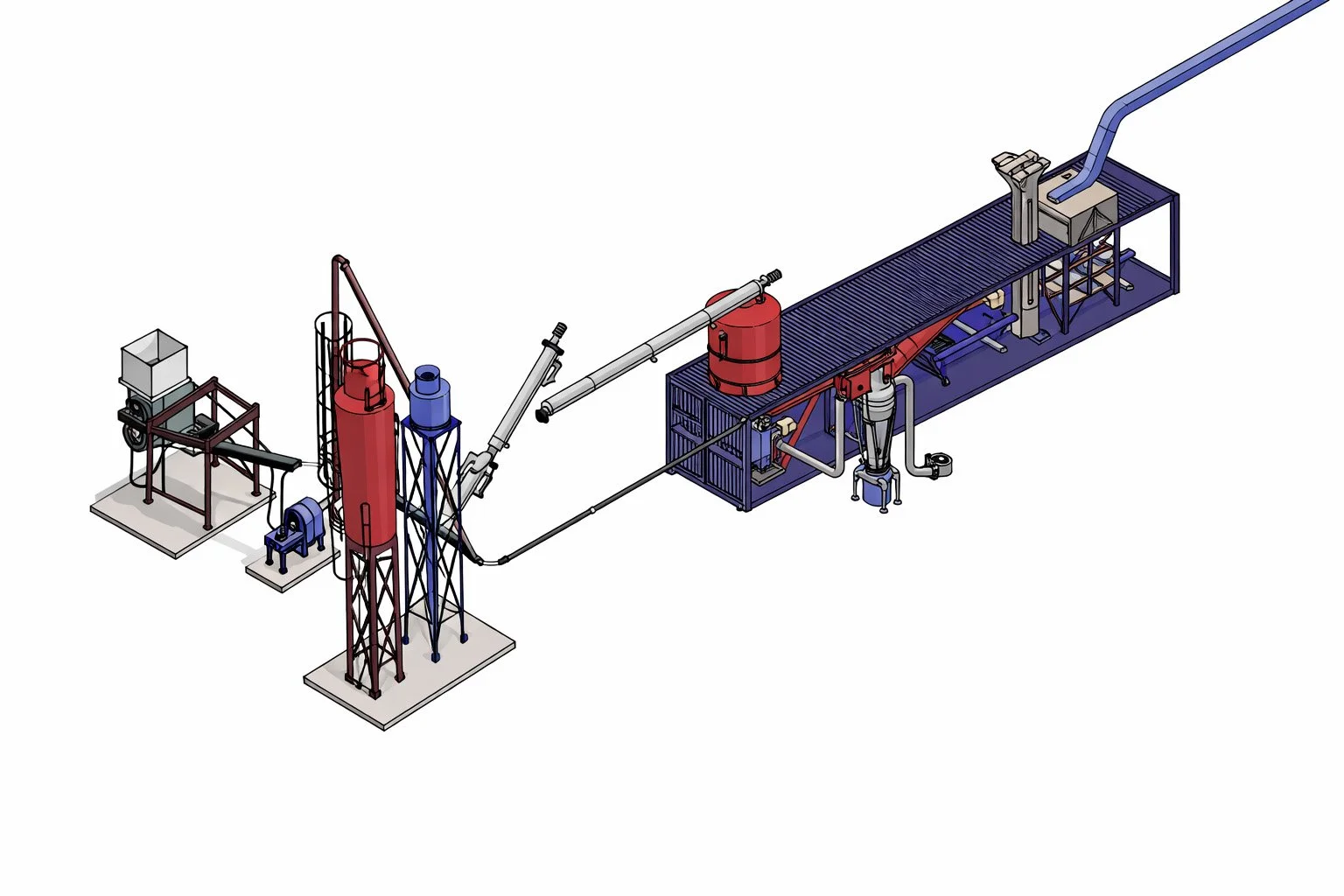
Containerized pellet production that takes the plant to the material. This model reduces freight, increases supply security, and allows distributed manufacturing throughout the Southeast. It represents the highest growth multiplier within the company.
A CREATIVE INVESTMENT IN A CIRCULAR INDUSTRY
Hull & Husk stands at the intersection of design, agriculture, and energy. An investment from SCAD would represent:
Alumni reinvestment
Sustainability leadership
Scalable Southeastern job creation
A measurable financial return opportunity
From art school graduate to serial founder, this opportunity represents a full-circle moment—where creative education fuels industrial innovation.
INVESTMENT IMPACT
Each capital tier directly accelerates revenue generation. Hull & Husk is already operating with:
Secured raw material supply
Established outlet channels
Brand recognition and product validation
A proven founder with prior exits
This is not speculative R&D—it is growth capital for an operating enterprise.
With the right infusion of CAPEX, Hull & Husk can:
Increase production capacity immediately
Improve margins through automation
Expand into new retail and wholesale channels
Shorten time-to-profitability
Generate meaningful ROI in a compressed timeline
1.
$100,000Working & Transitioning Capital
-
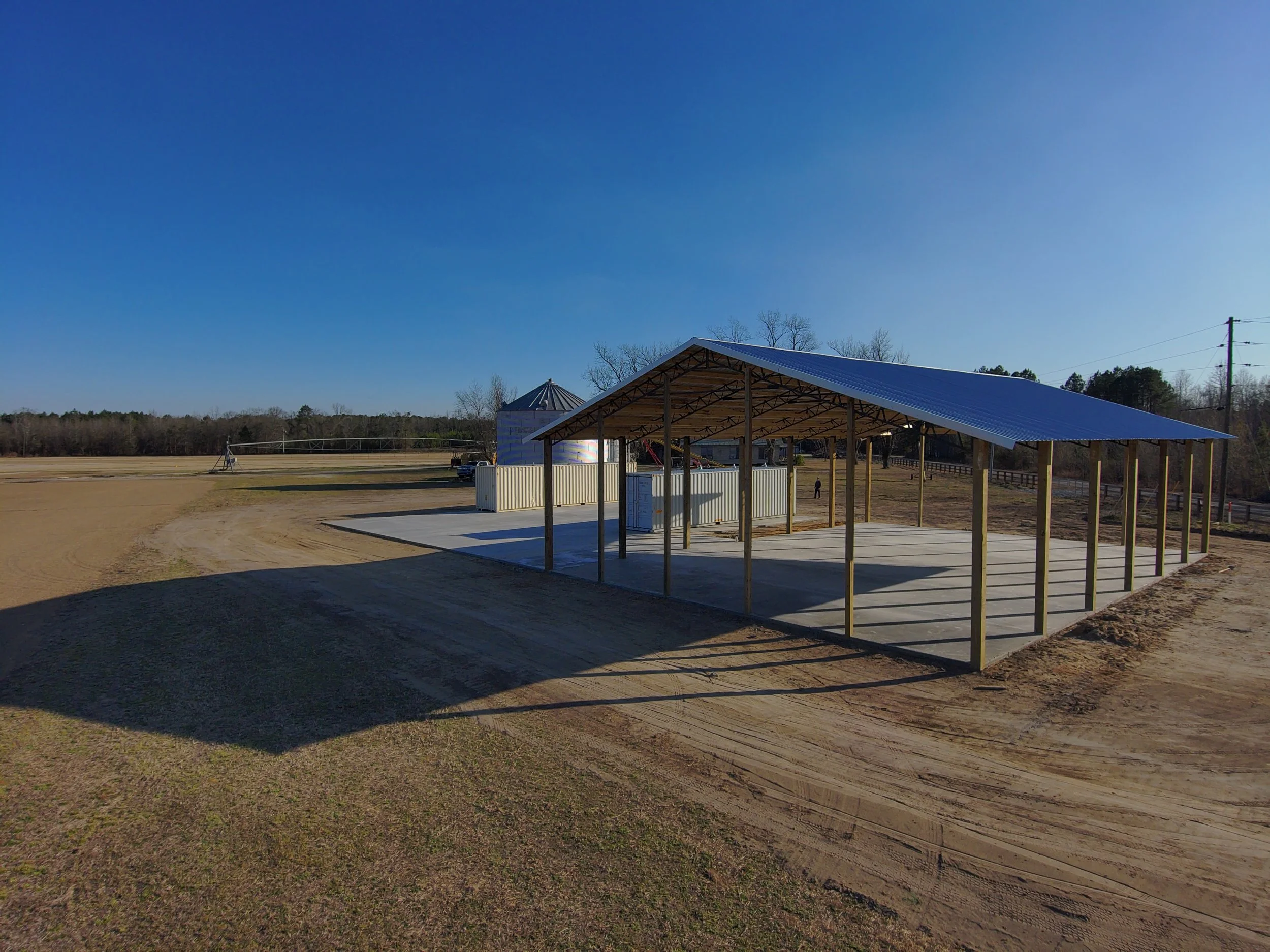
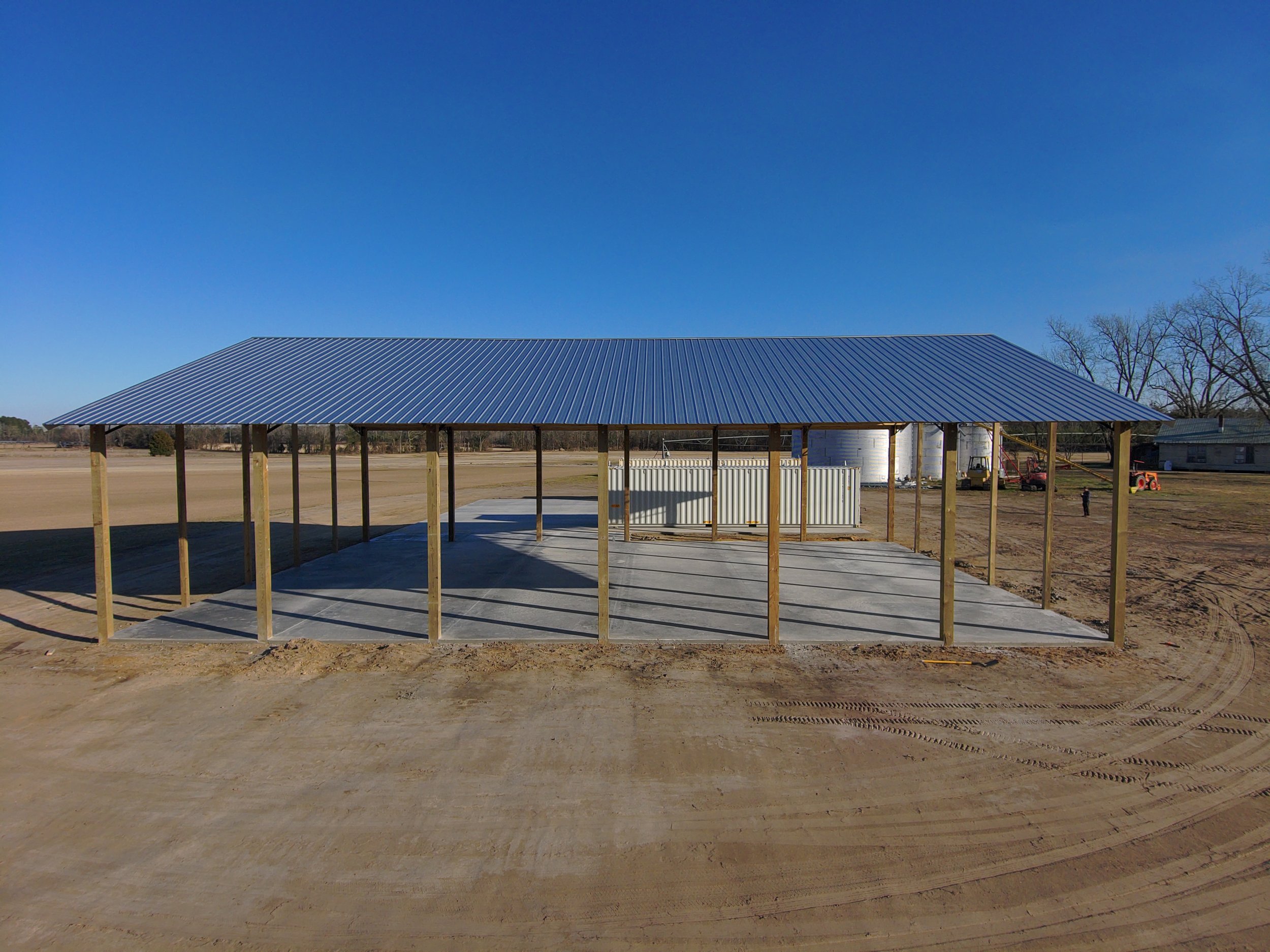
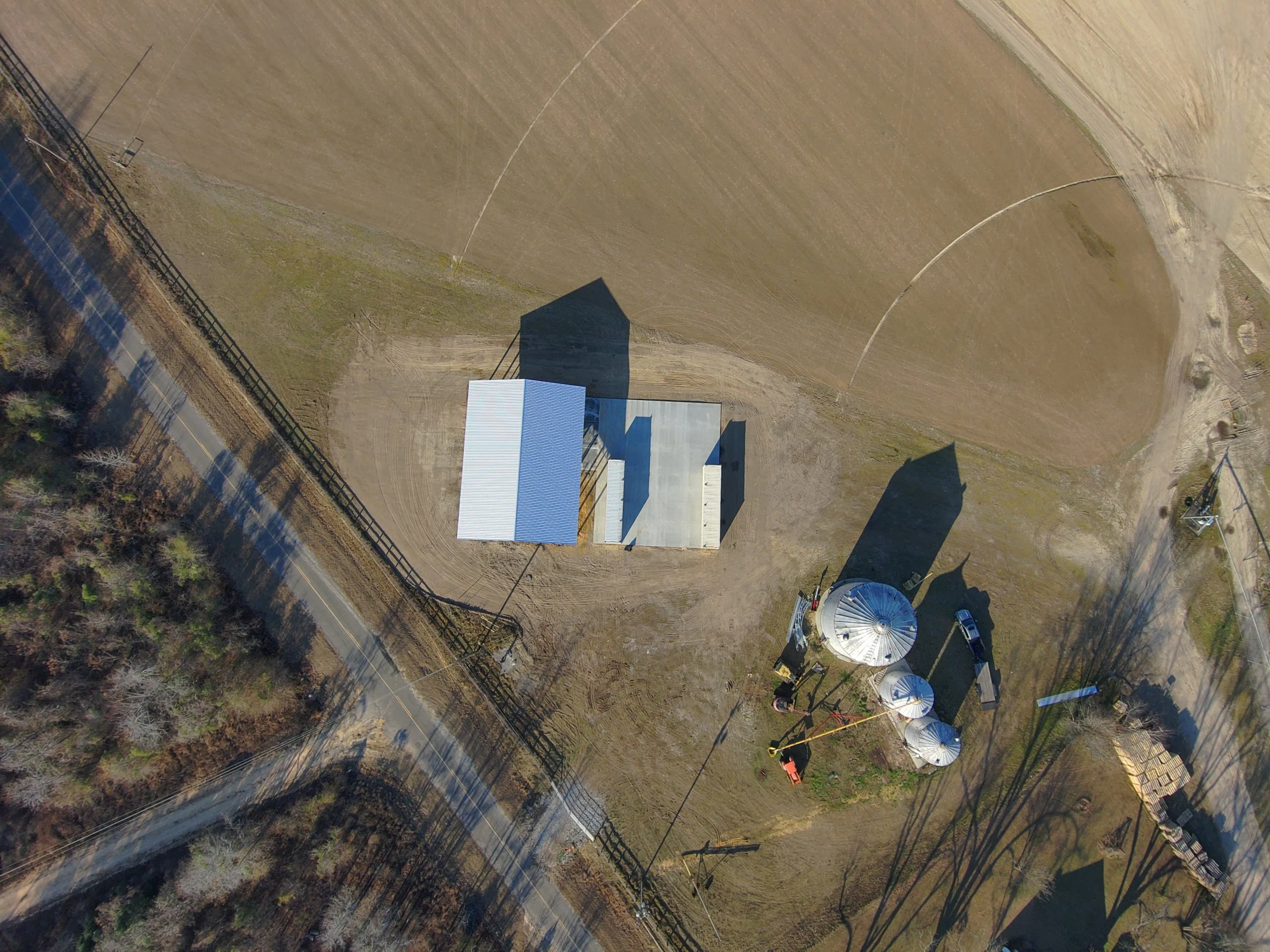
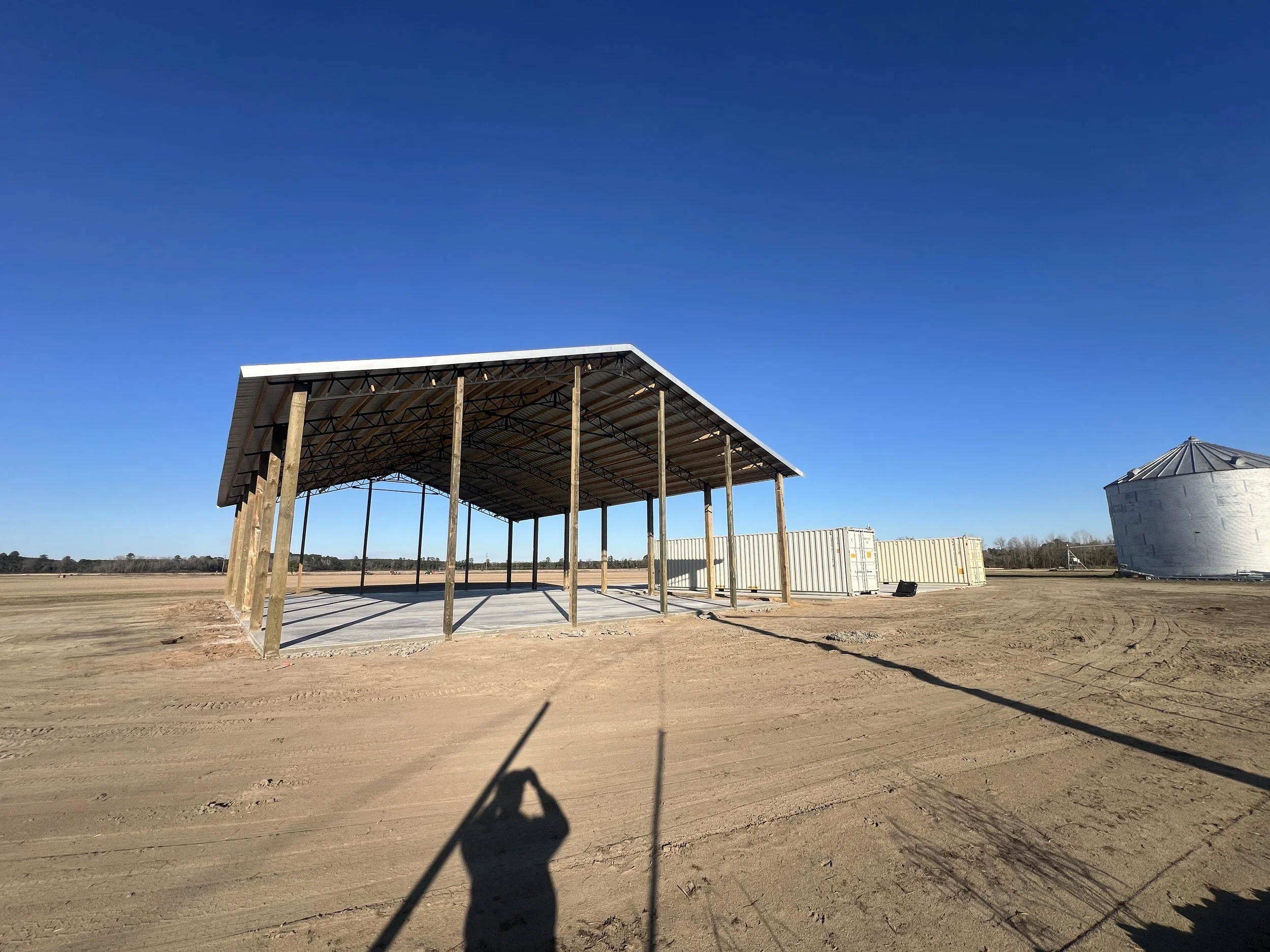
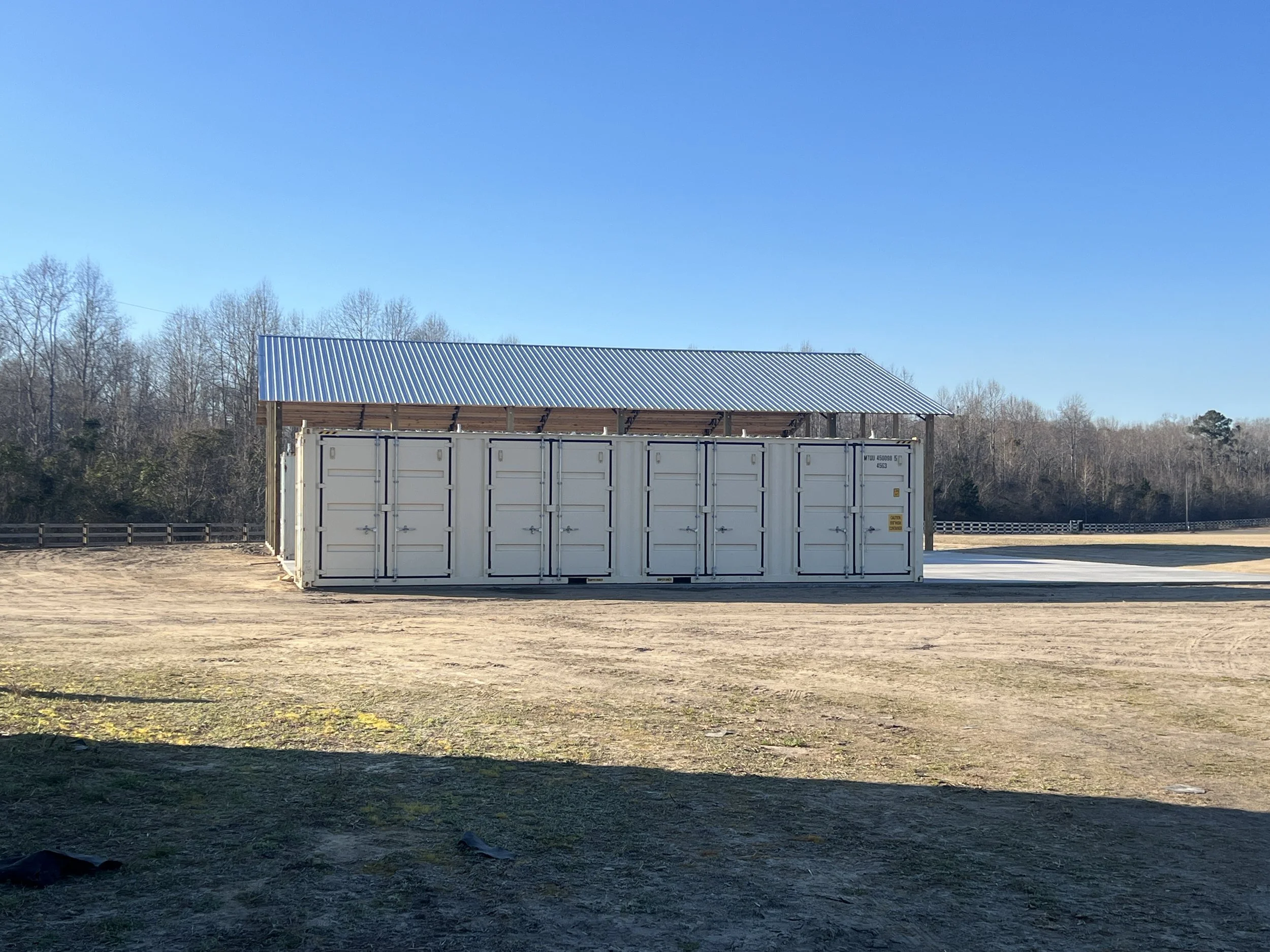
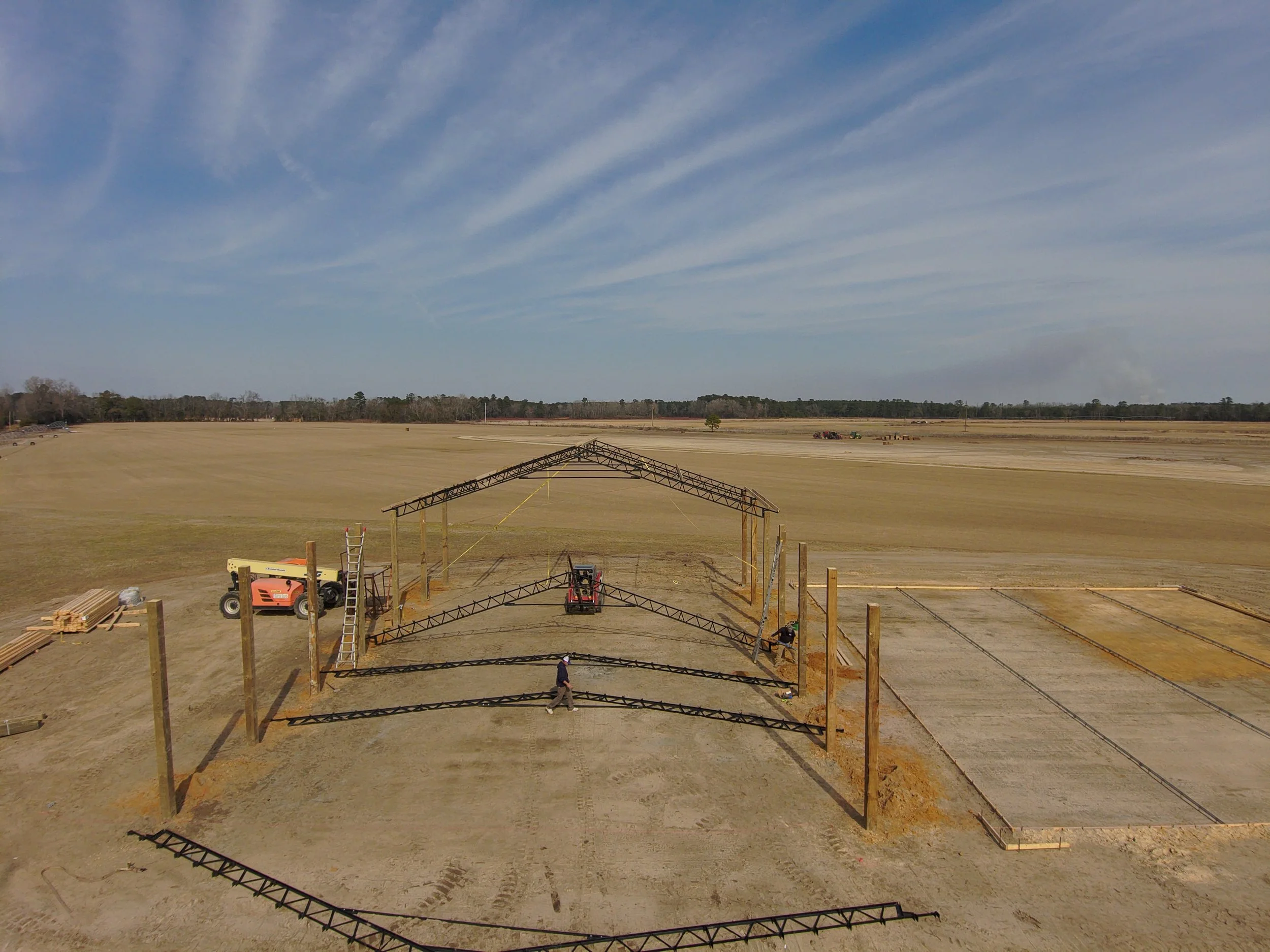
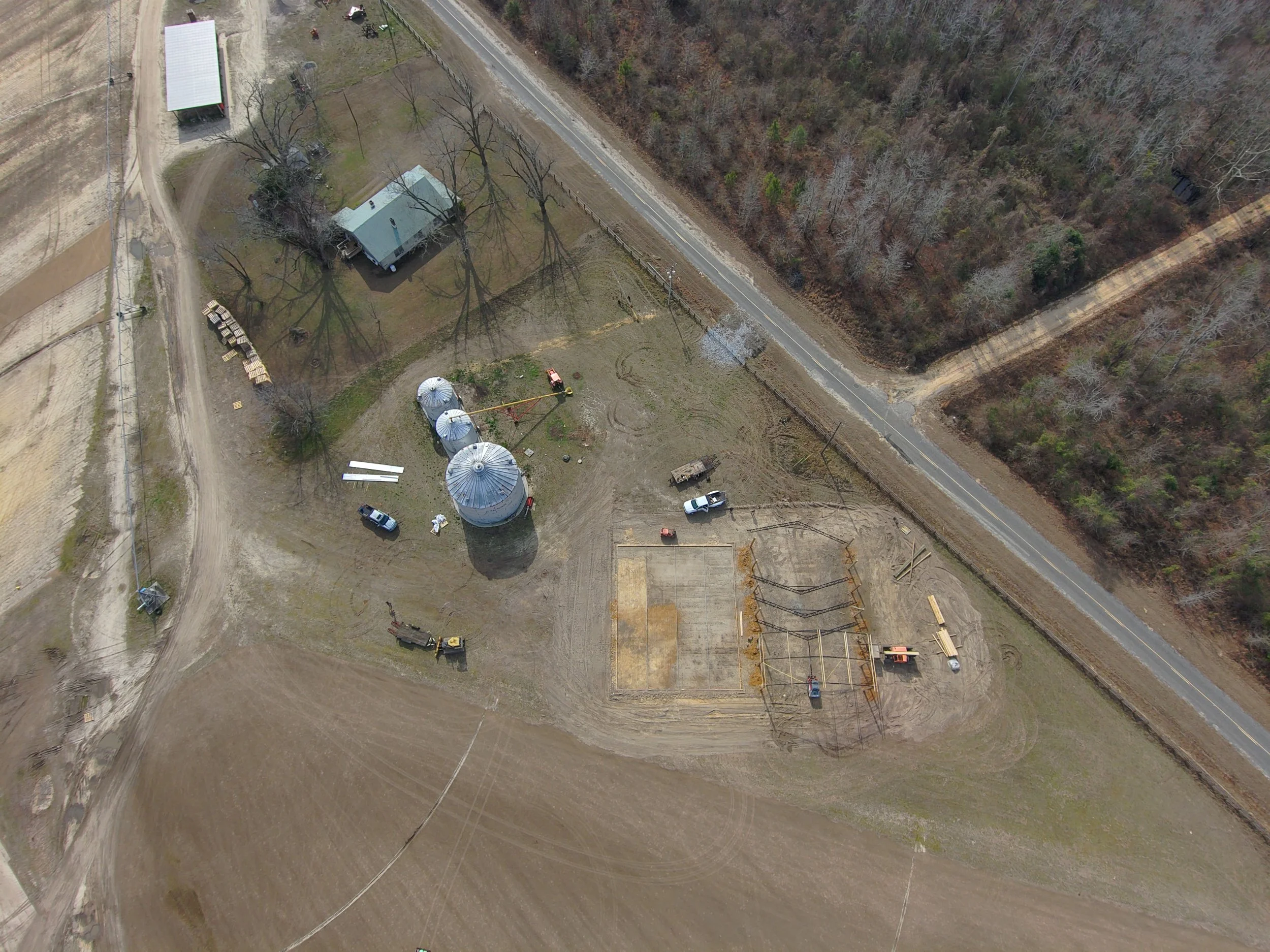
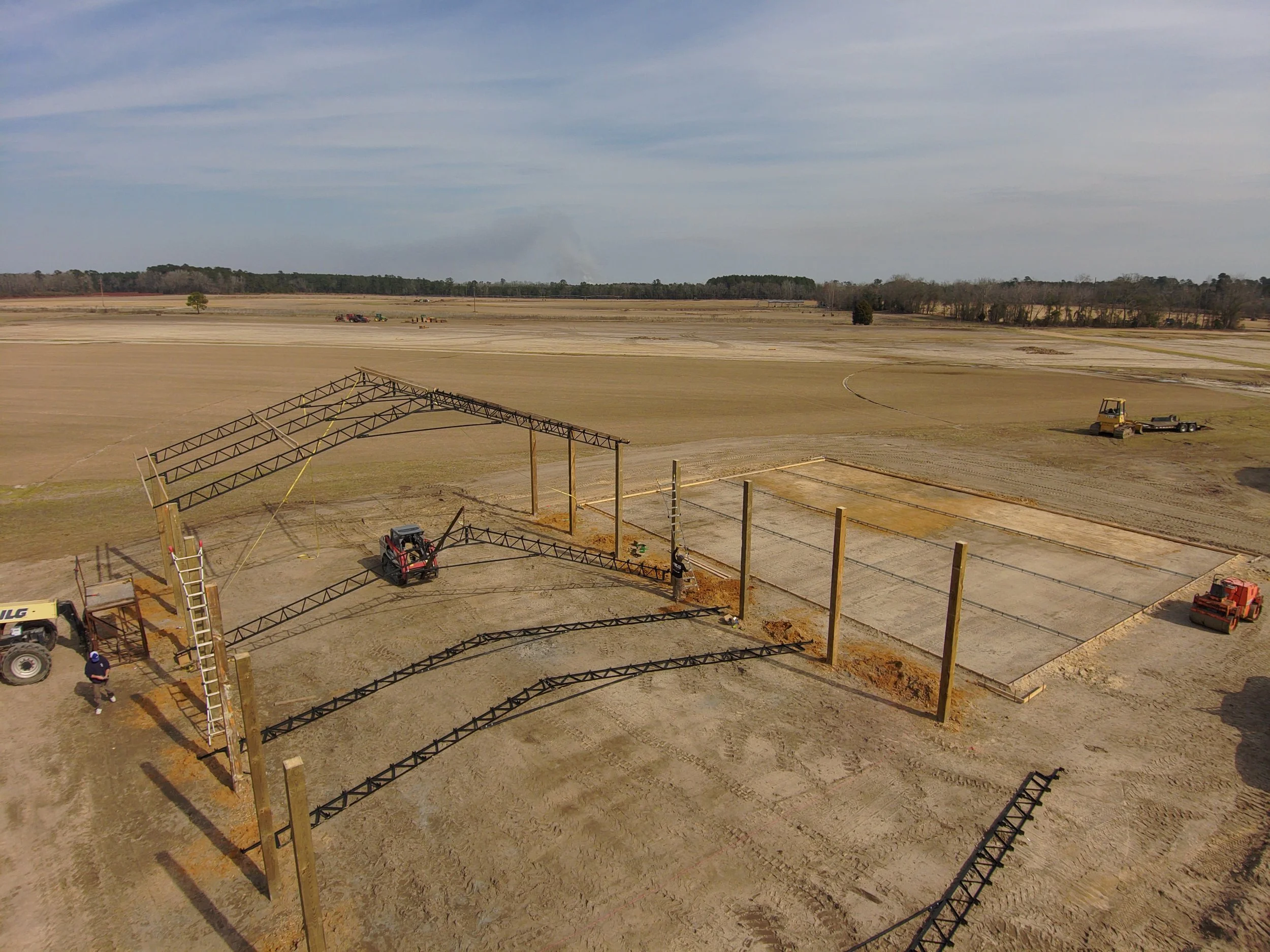
Plant relocation from Bluffton, SC → Bamberg, SC (moving costs, installation/commissioning, utilities setup, permitting, minor site build-out, and logistics).
Early-stage operating runway during the transition (labor, initial raw material staging, freight, basic repairs/parts, contingency).
-
Reduces downtime and helps ensure we keep fulfilling orders while we transition.
Directly supports job creation in an Opportunity Zone, including production roles and plant management.
Establishes a stable footprint in Bamberg that unlocks the next phases of equipment-driven growth.
-
Faster move + smoother restart = quicker return to production and sales.
Establishes a foundation for scalable manufacturing and workforce development.
Enables continuity of operations during the transition and supports hiring for production and plant management roles in an Opportunity Zone.
2.
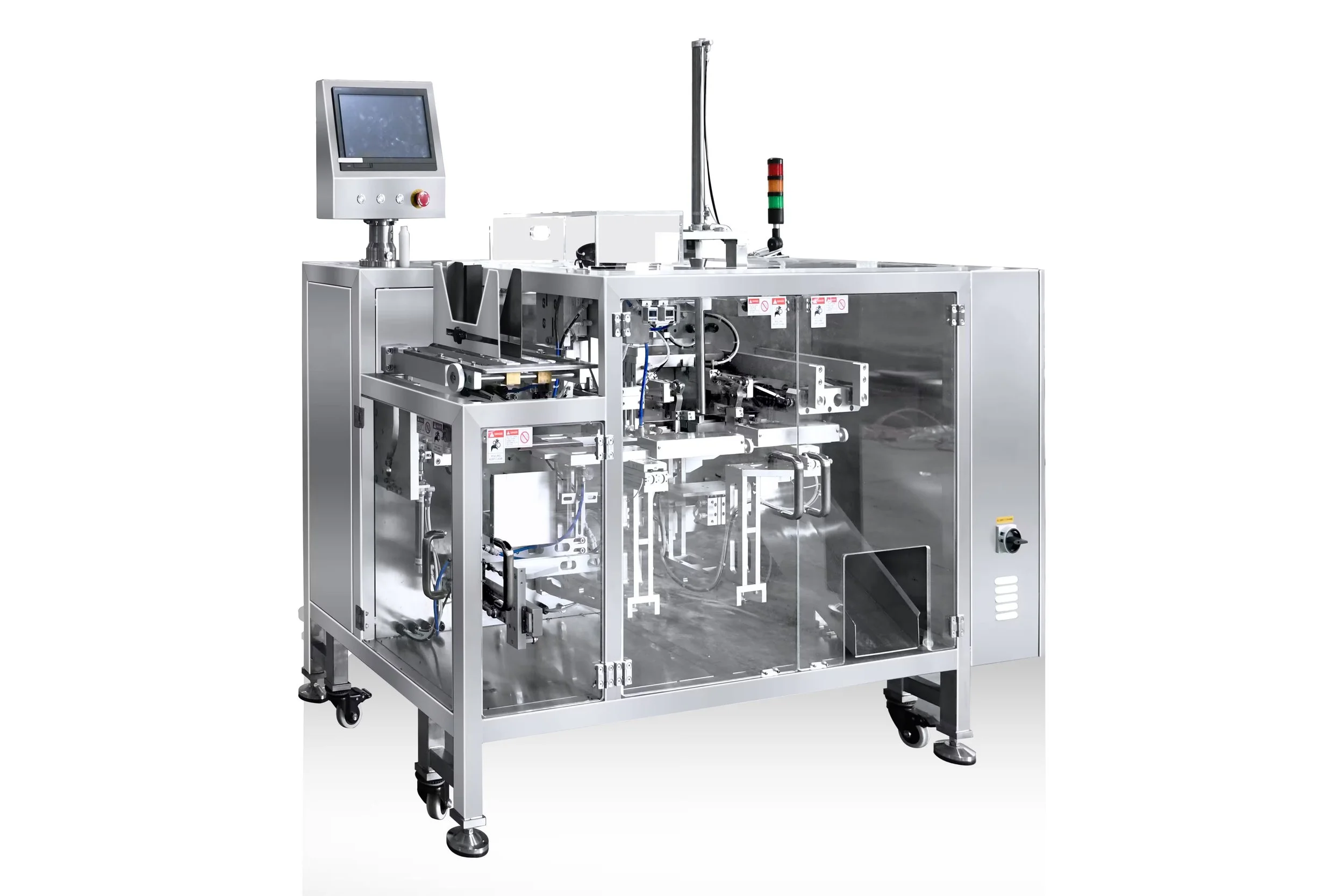
Packaging Equipment
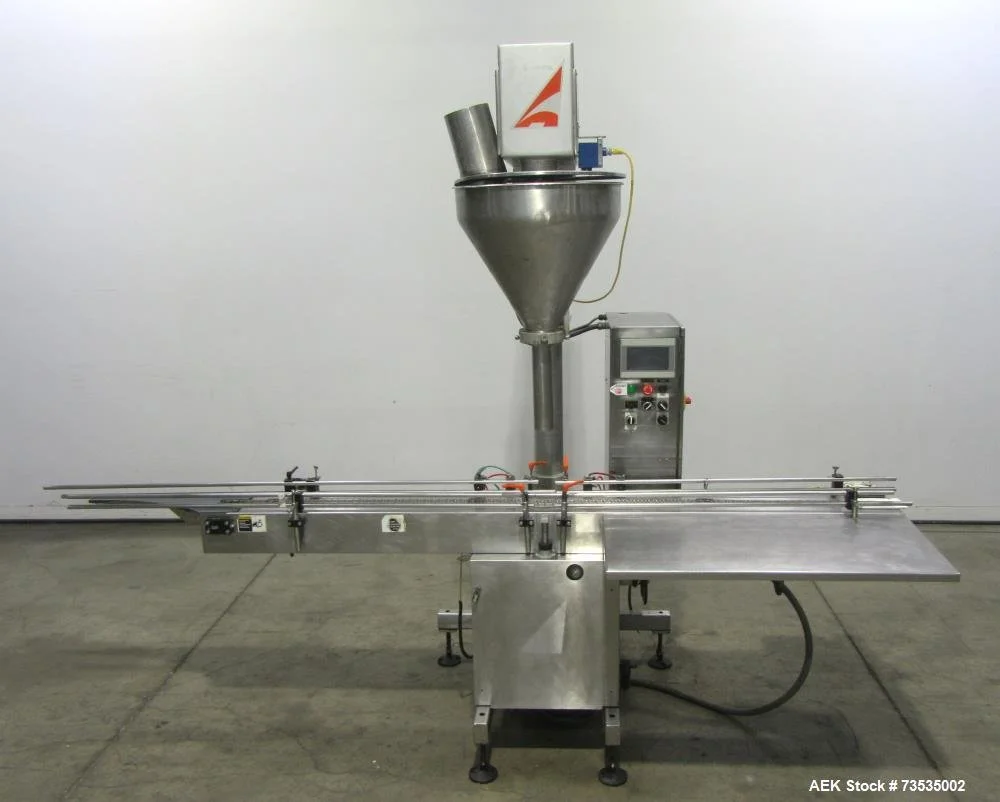
$200,000Purchases packaging equipment to convert bulk output into retail-ready inventory, including weighers, fillers, and a form-fill-seal machine.
-
Core equipment to package finished goods efficiently and consistently:
Weighers and fillers
Form-fill-seal machine (for pouches/bags)
Supporting conveyors, printers/labelers as needed
-
Packaging is the bottleneck between production and cash flow. This investment turns bulk output into retail-ready inventory.
Improves consistency (weight accuracy, seal quality) and supports compliance and retailer expectations.
-
Unlocks immediate and repeatable revenue by stabilizing production inputs.
Improves product quality, reduces waste, and supports steady output across seasons and feedstock variability.
3.
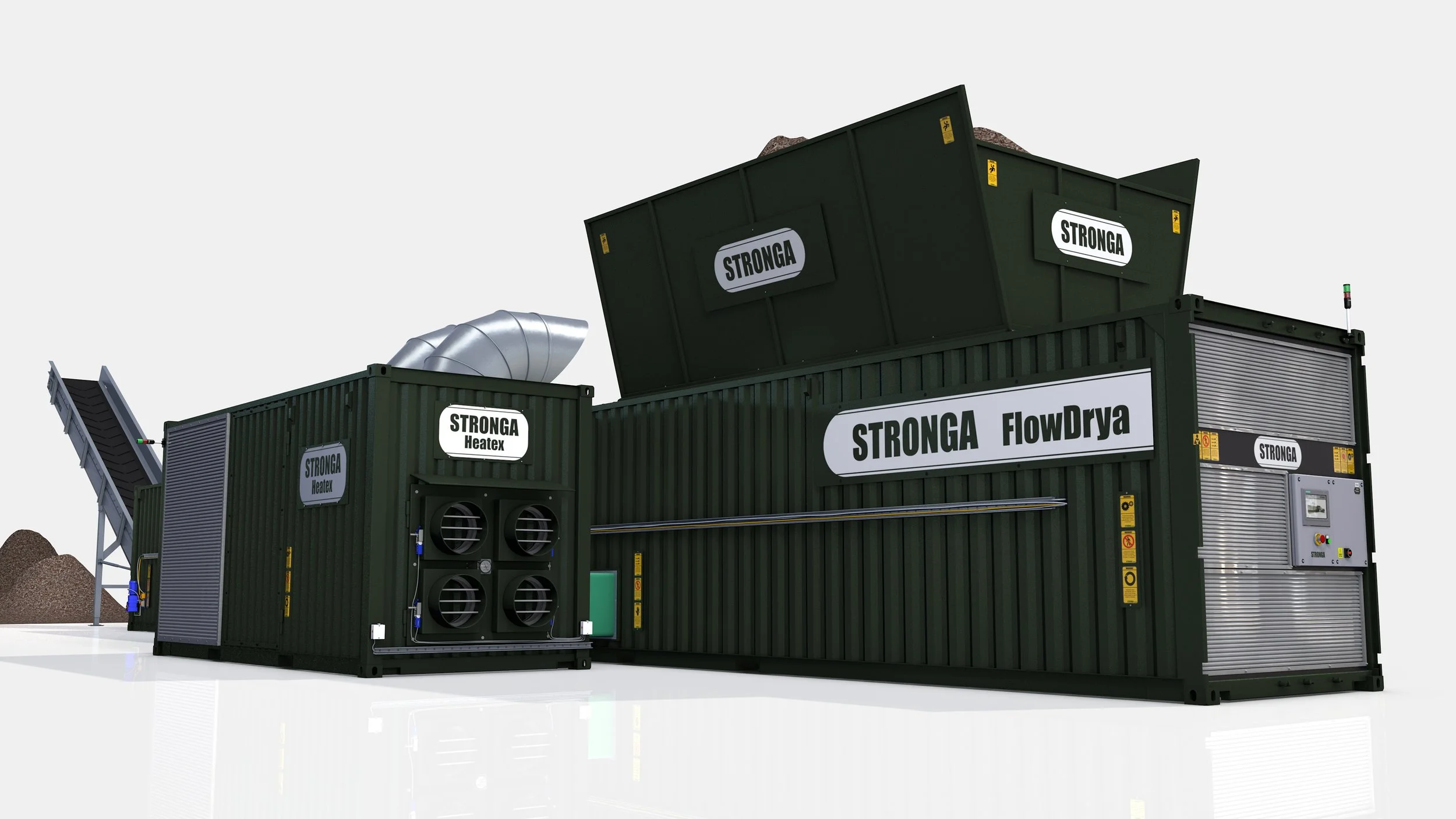
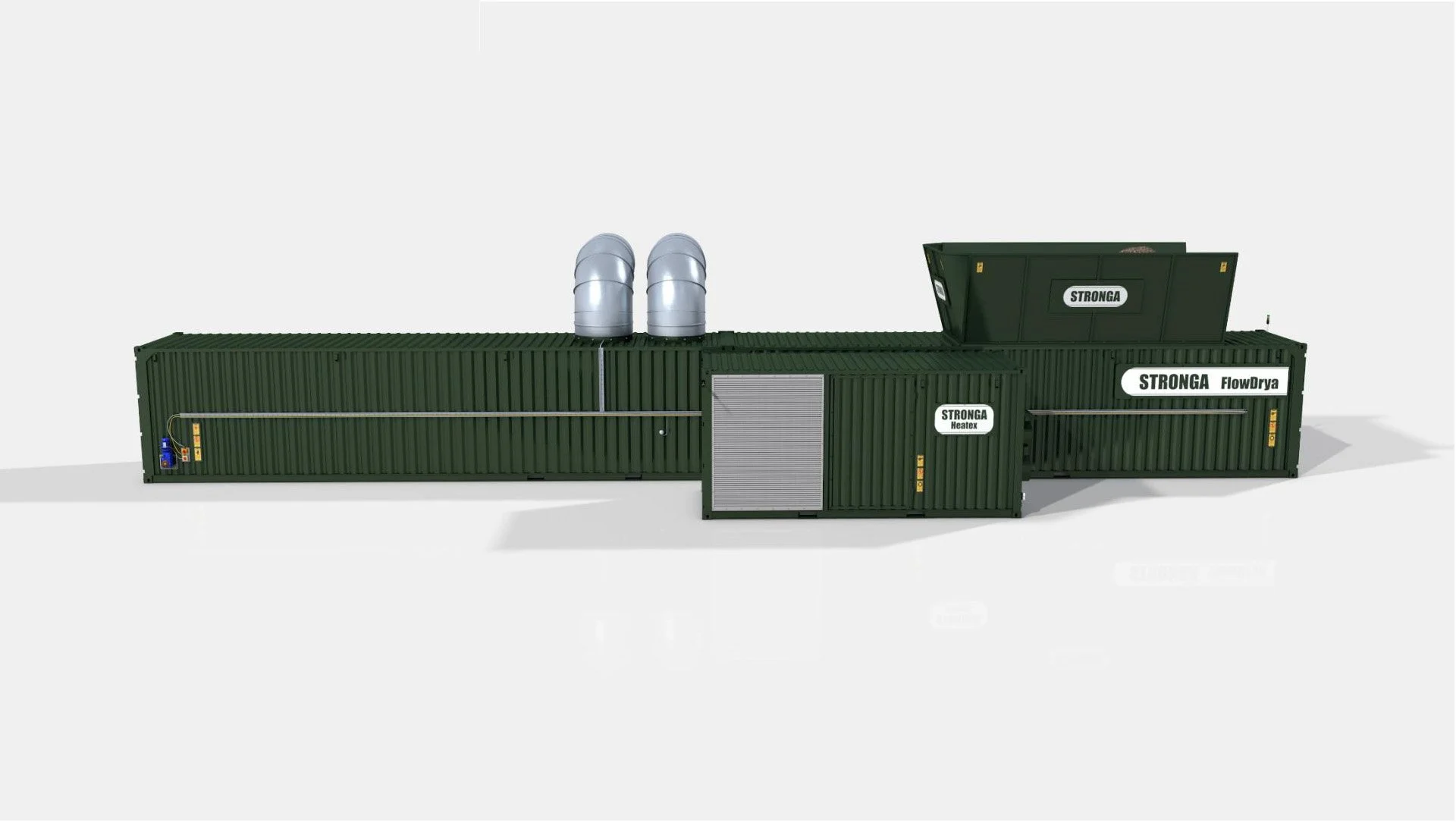
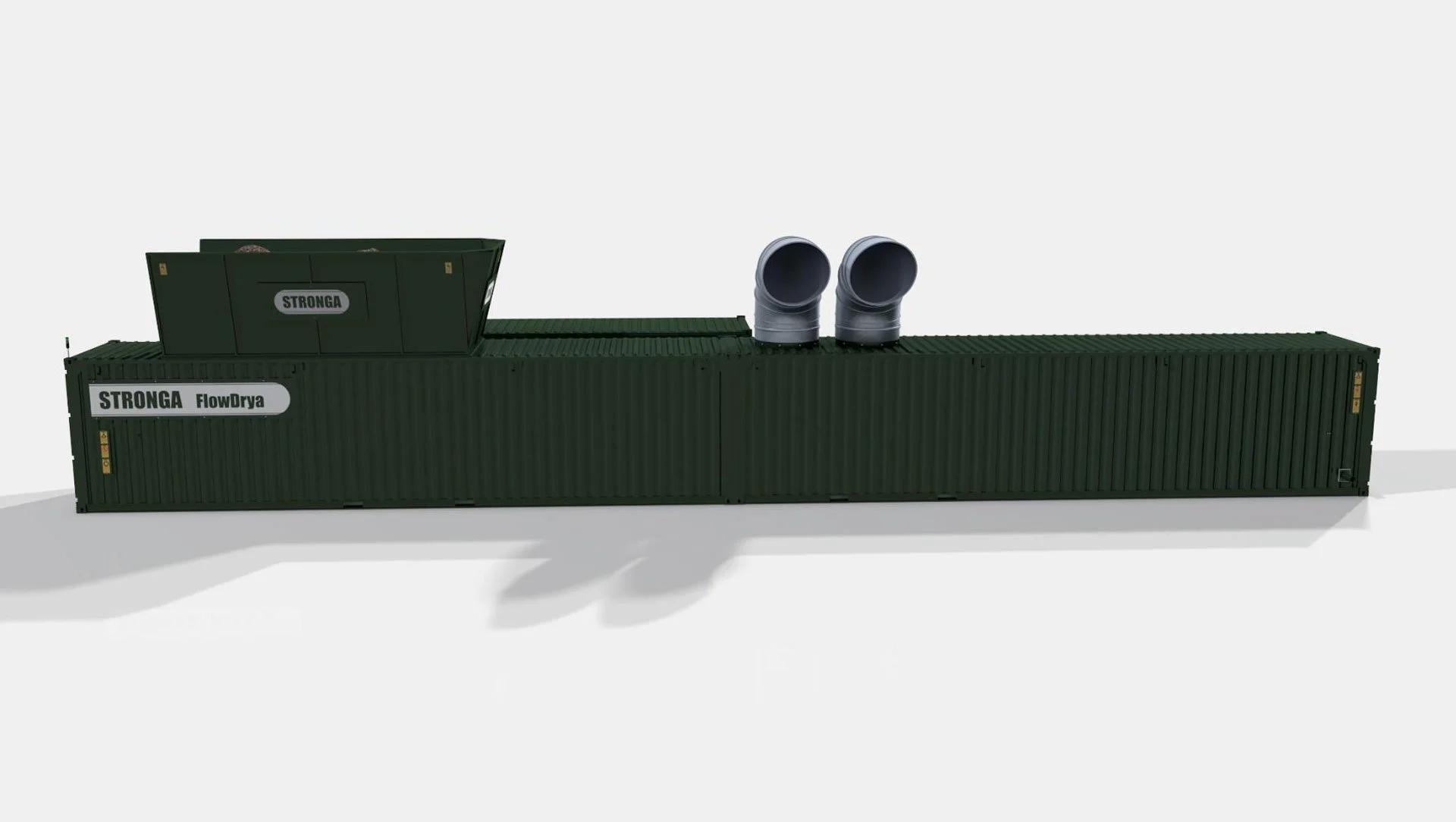
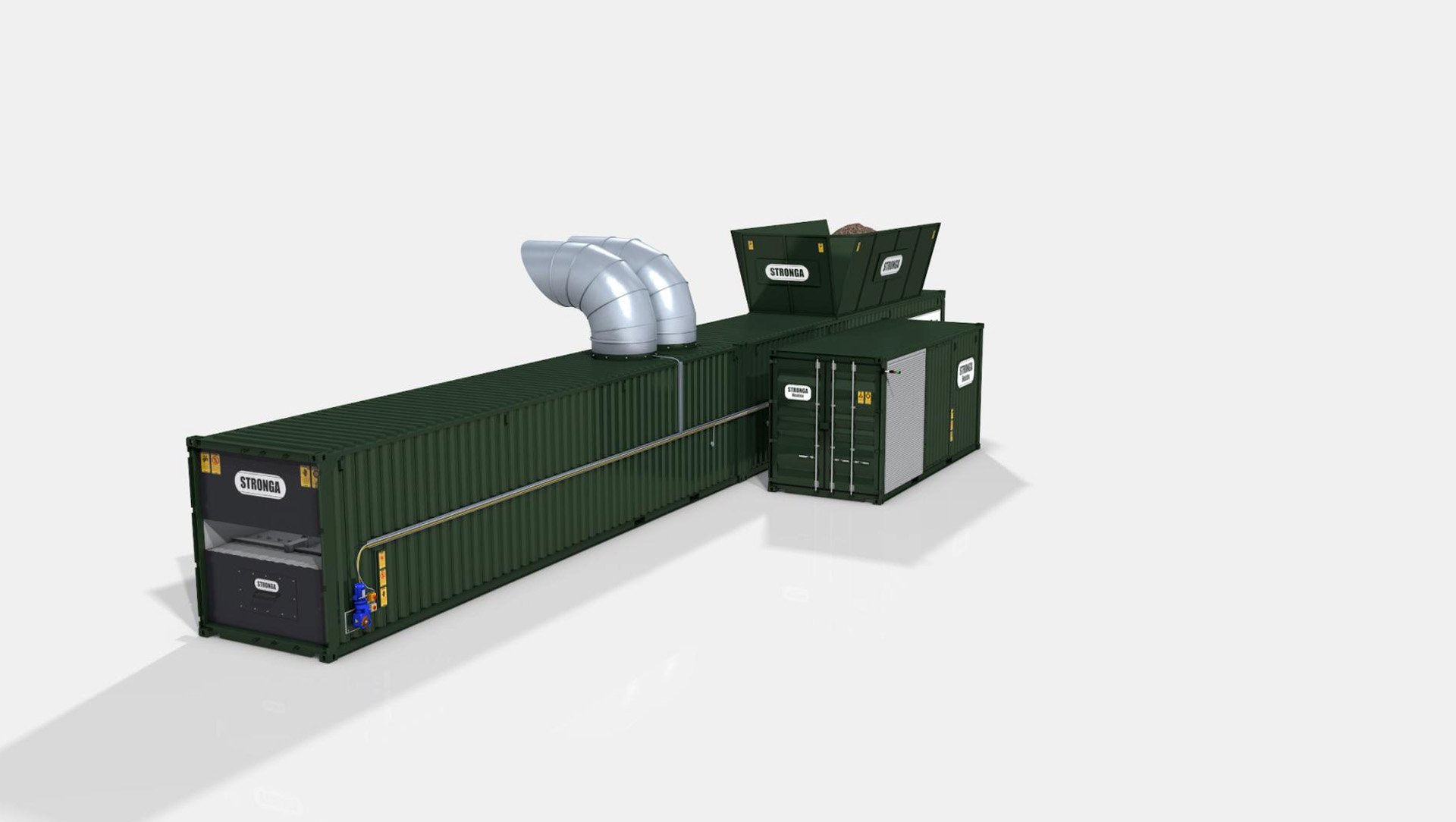
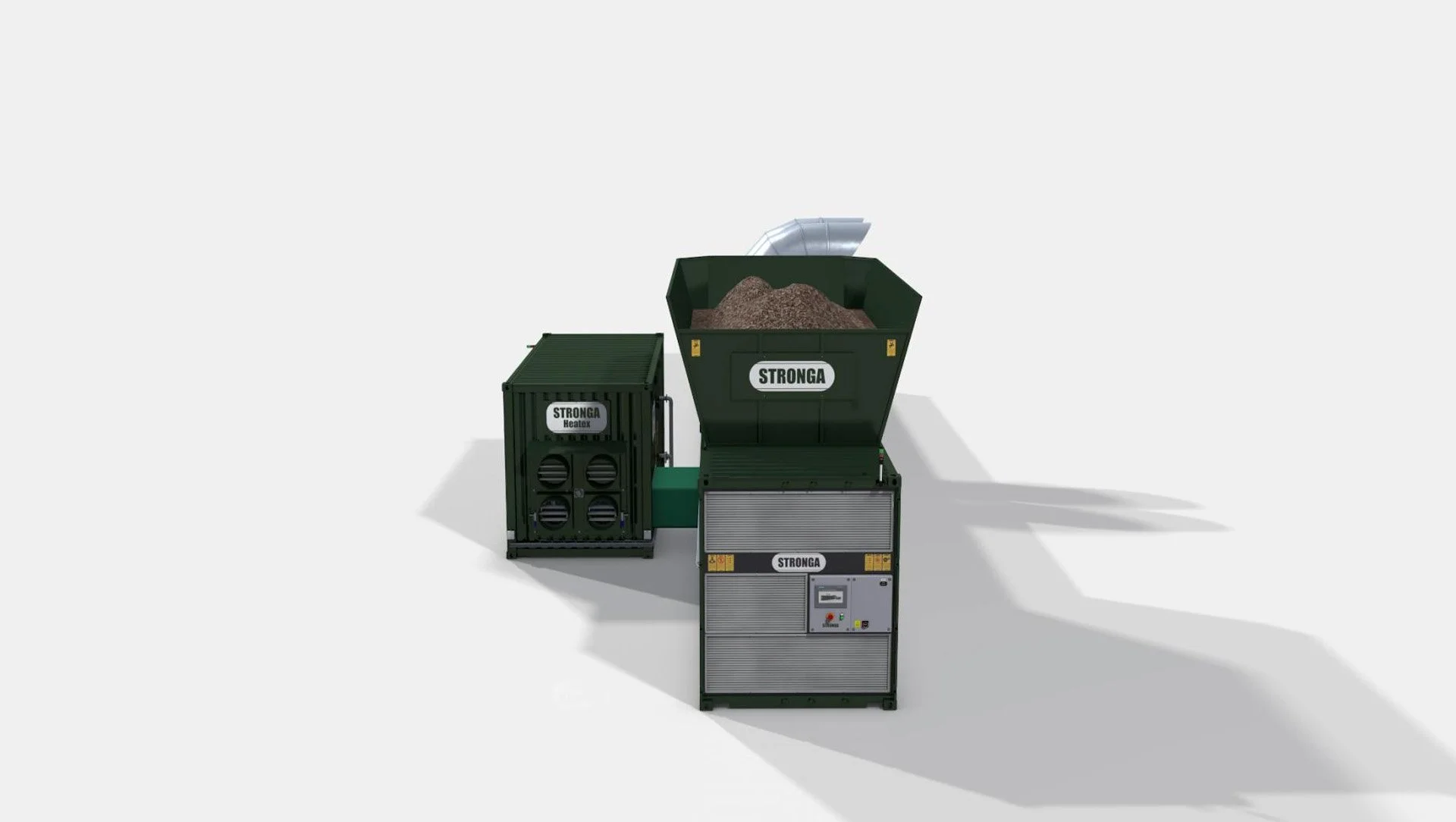
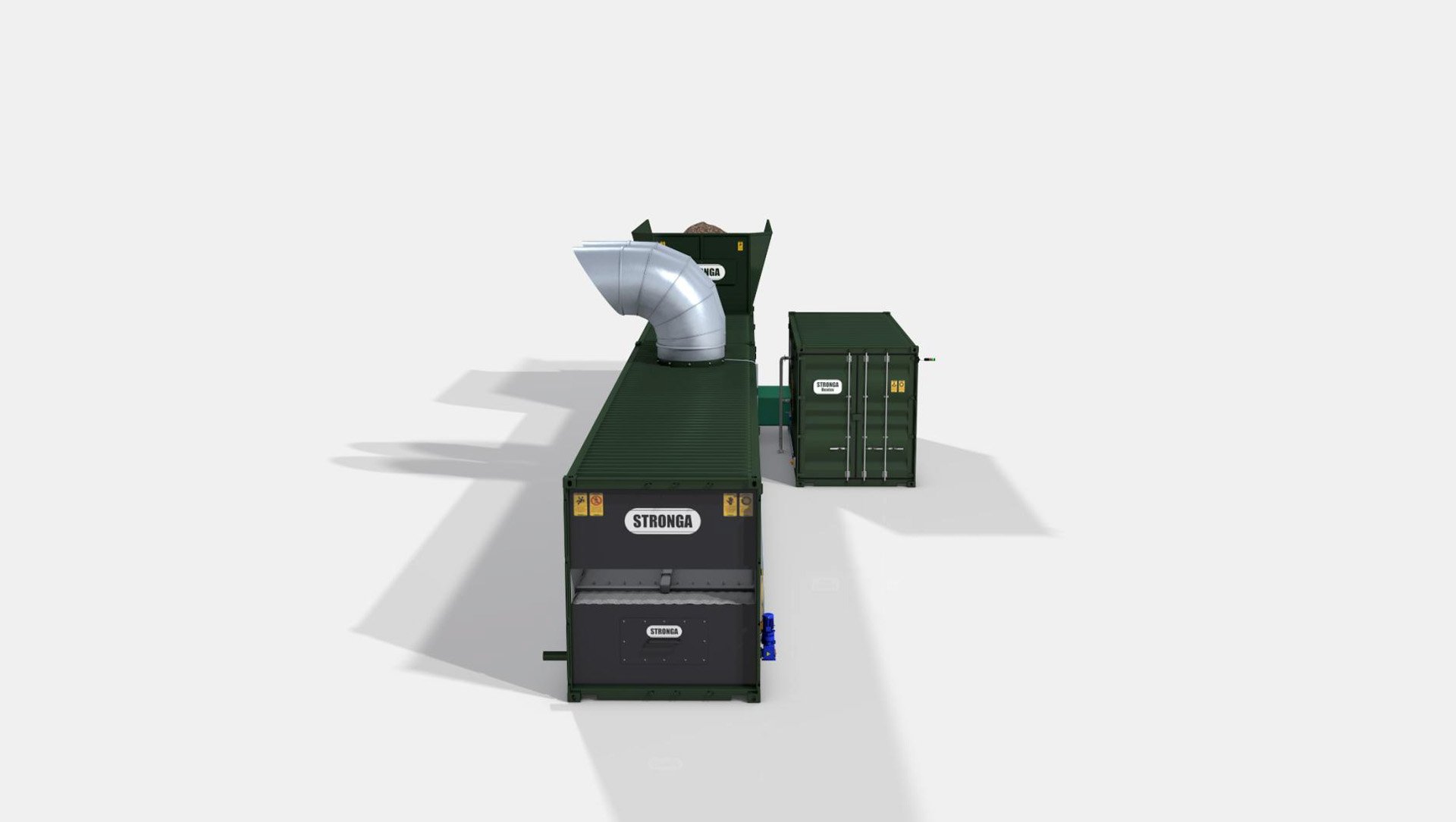
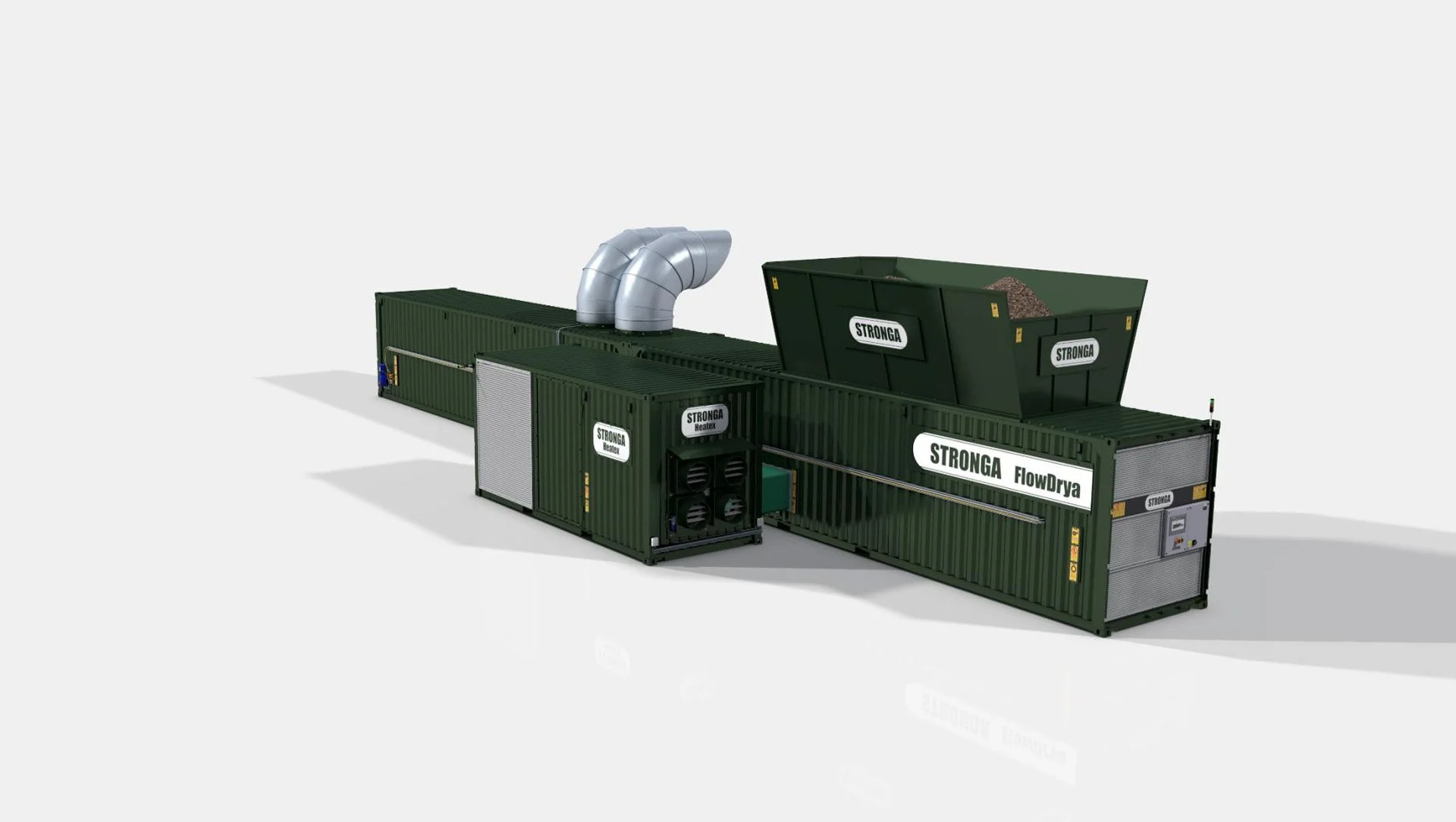
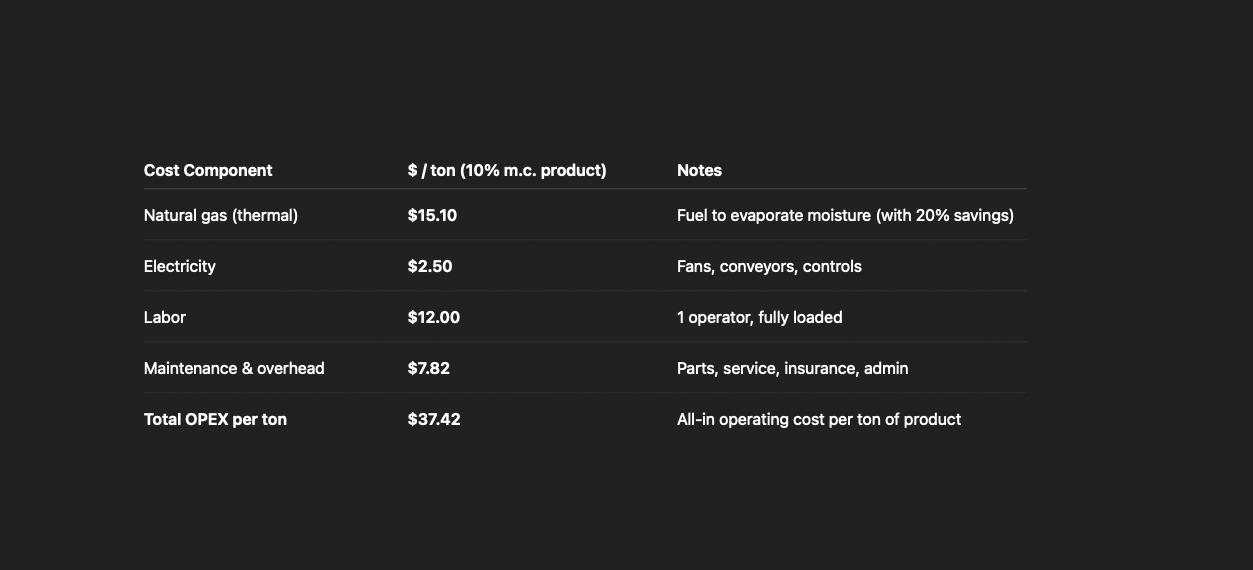
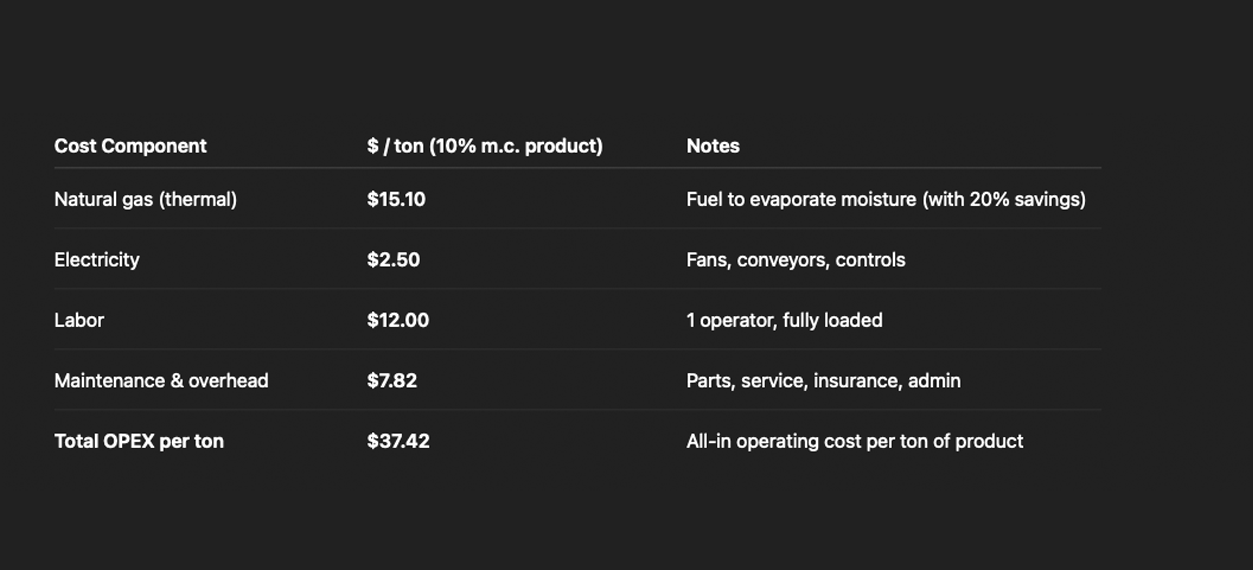
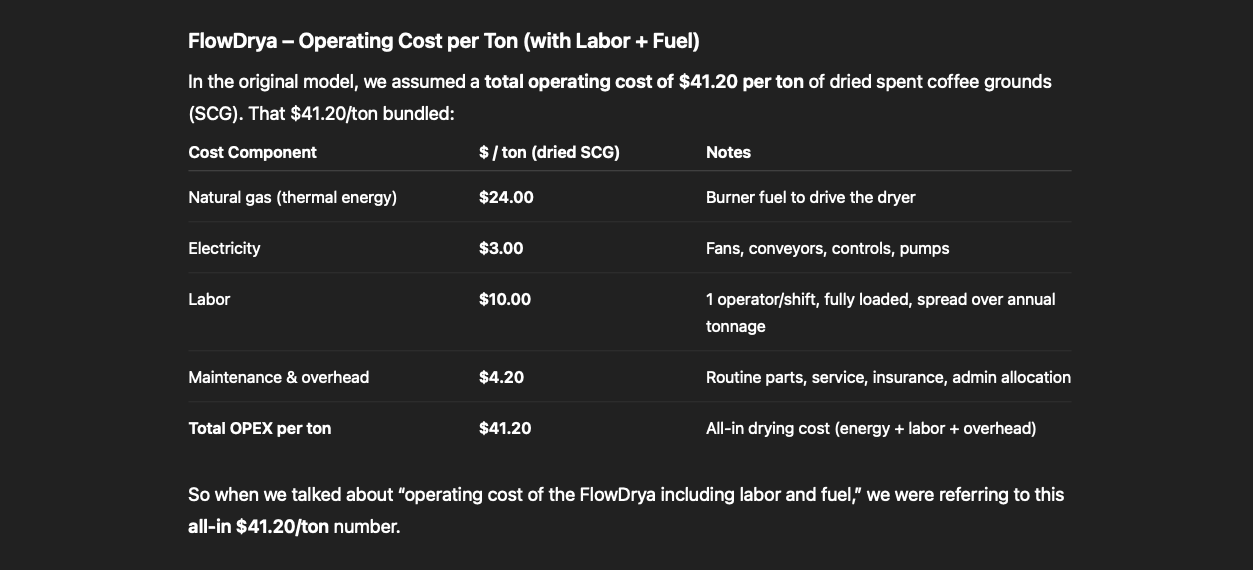
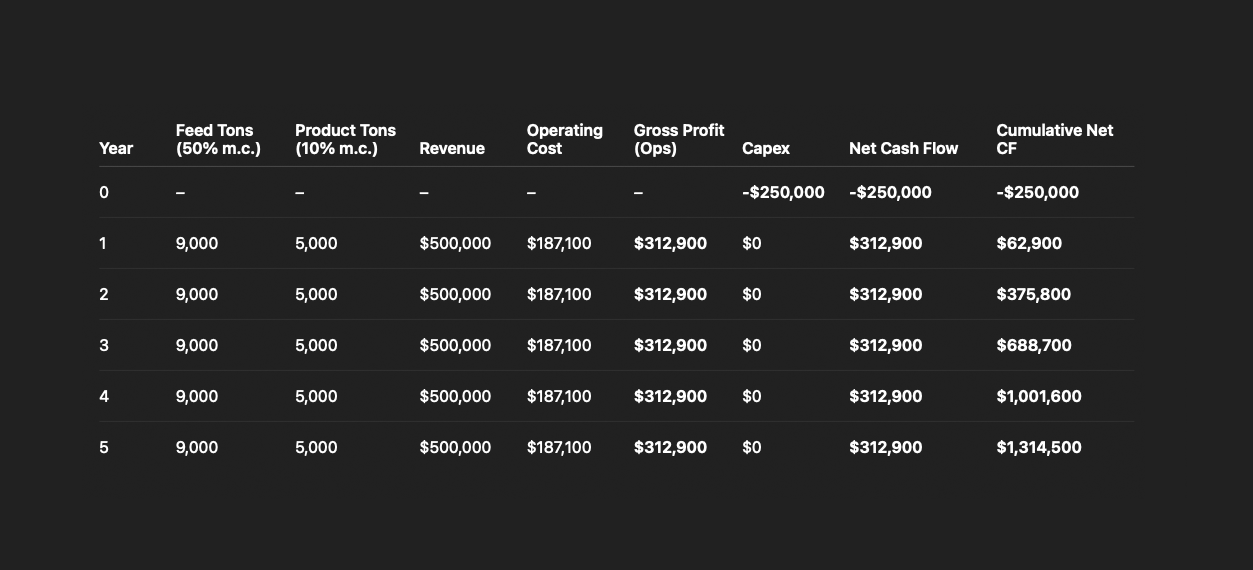
$250,000Material Drying System
Stabilizes production inputs and supports consistent finished goods quality across wood, coffee, and pecan shell materials—enabling immediate, repeatable revenue streams.
-
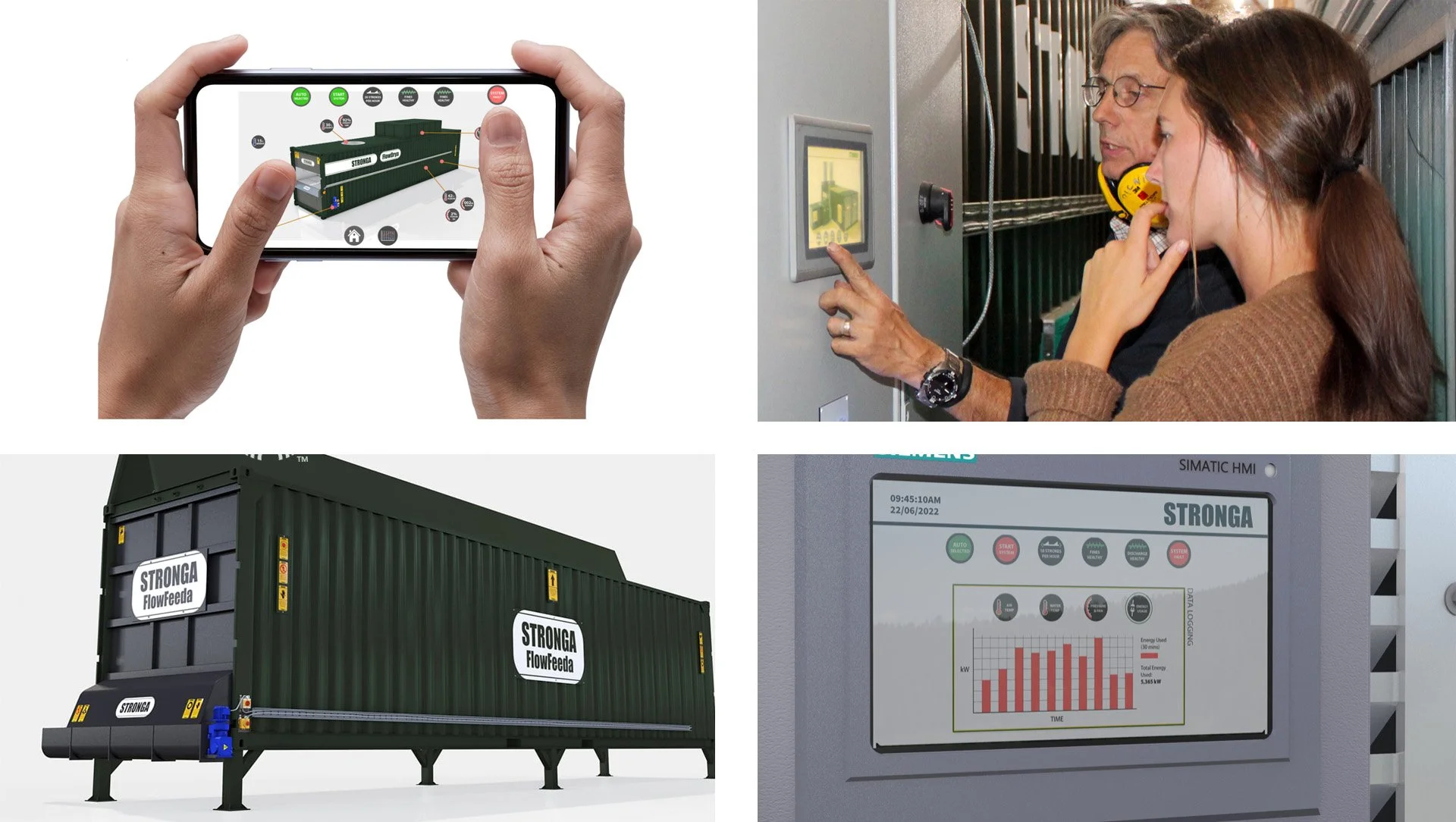
A Stronga drying system to bring incoming raw materials to target moisture for pelletizing and packaging.
-
Wood
Spent coffee grounds
Pecan shells
-
Drying is a make-or-break step: consistent moisture improves pellet quality, storage stability, and packaging performance.
Allows Hull & Husk to process more incoming material types and convert them into sellable product faster.
-
Unlocks immediate and repeatable revenue by stabilizing production inputs.
Improves product quality, reduces waste, and supports steady output across seasons and feedstock variability.
4.
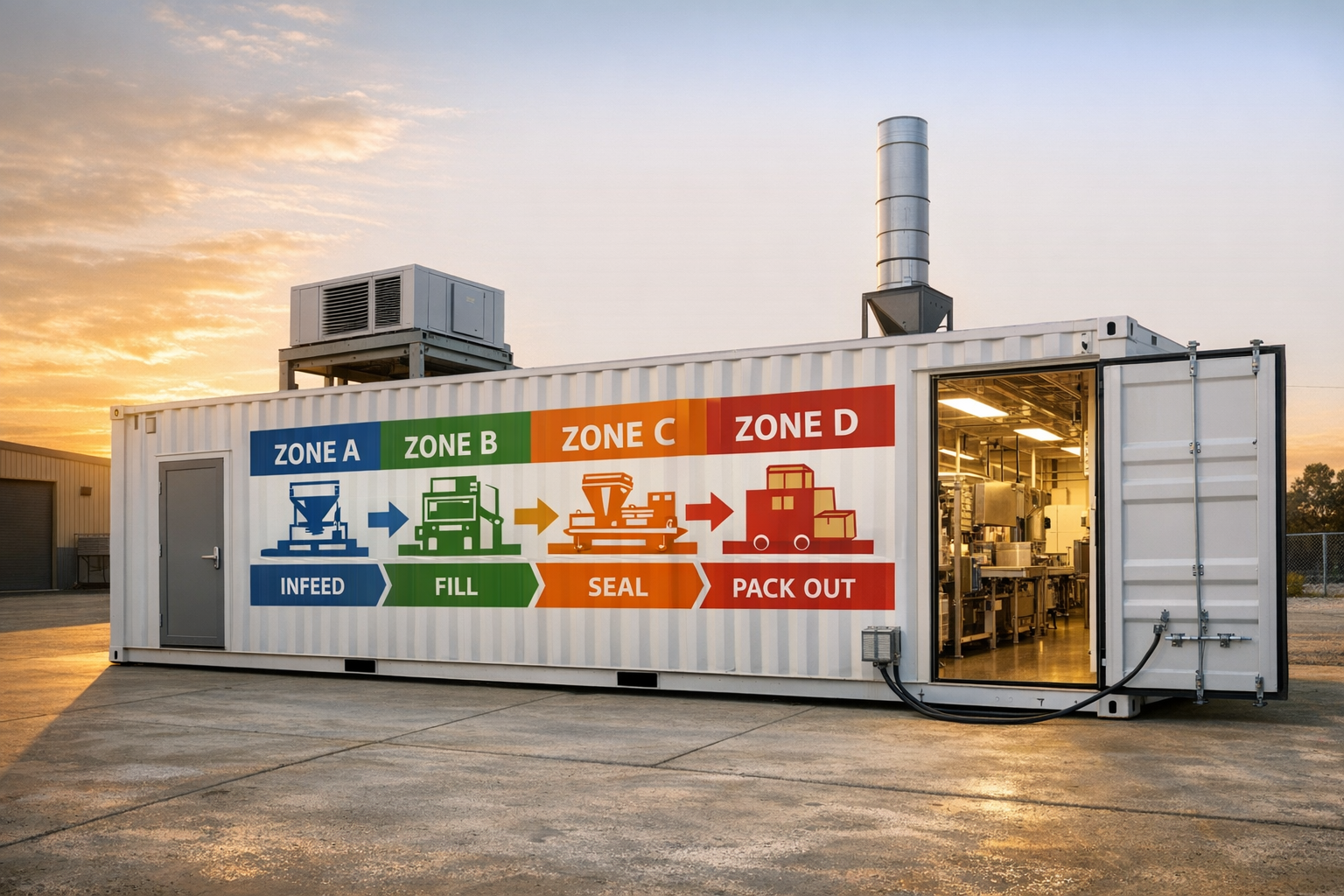
Automated Containerized Packaging Line
Delivers a step-change in finished goods capacity, reduces manual packaging burden, and supports larger wholesale/retail commitments.
$500,000 - $750,000-
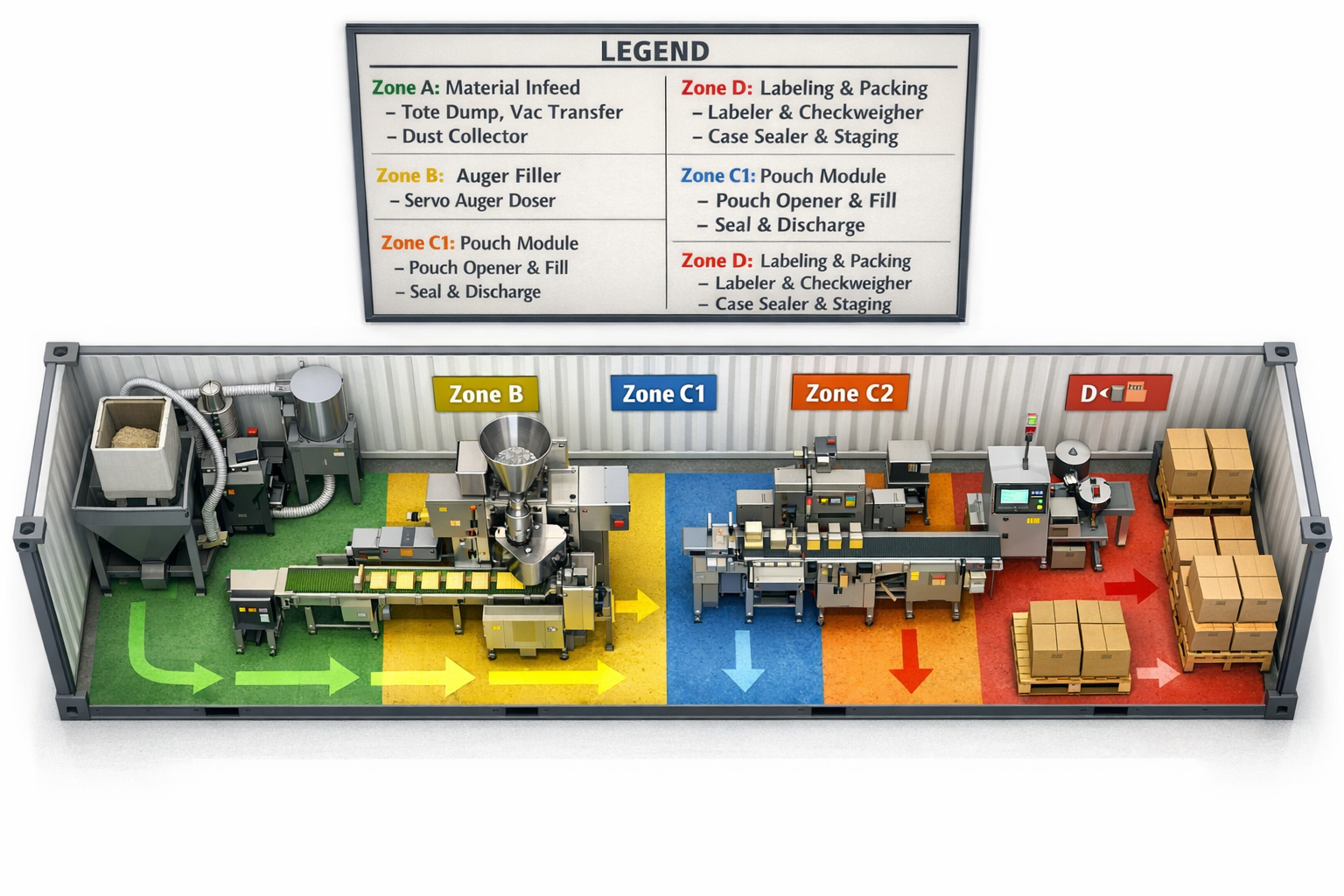
A complete, automated packaging solution—containerized for speed of deployment and modular expansion—supporting:
Tubs
Pouches
Buckets
Includes automation for feeding, weighing, filling, sealing/lidding, labeling, and case-ready prep.
-
Moves packaging from “hands-on, labor-heavy” to repeatable, scalable automation.
The containerized format shortens installation time, reduces facility complexity, and allows future replication.
-
Major step-function increase in finished goods output.
Drives consistent unit economics and supports larger retail/wholesale commitments without overwhelming staffing.
5.
Modular Pellet Production Plant
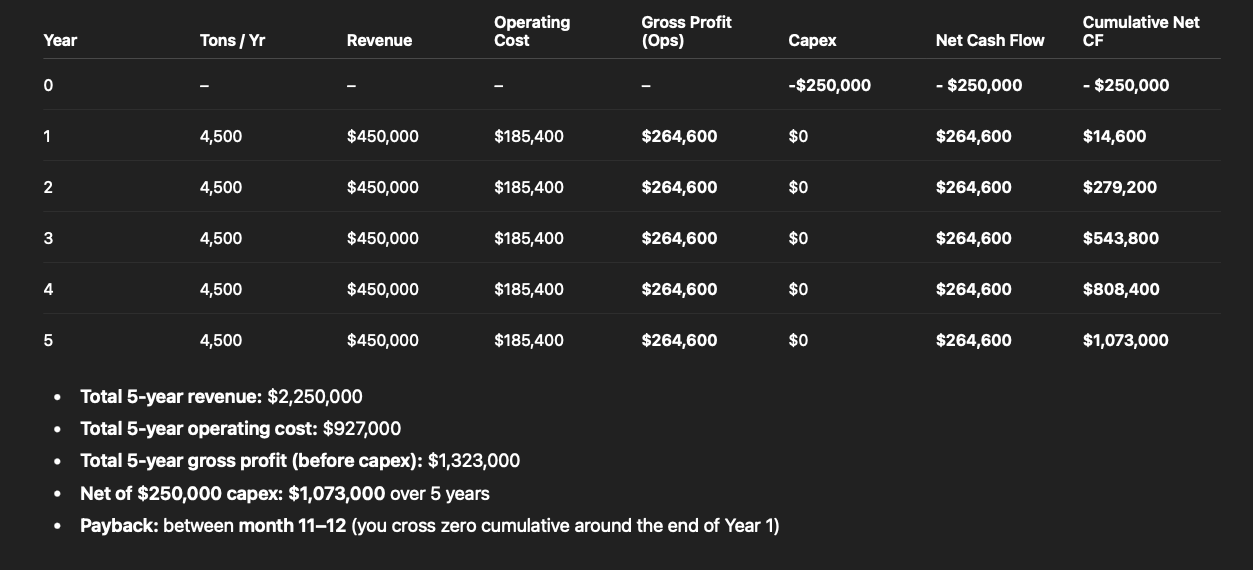
$750,000 - $1,000,000 Enables Hull & Husk to locate manufacturing close to feedstock sources, reducing inbound logistics cost and friction while supporting rapid regional expansion. Mobile Pellet Plant coupled with modular packaging plant can be combined to produce 1 Ton per hour finished goods. ROI could be realized in 6 months or first season considering outlet could established. This could be facilitated with Big Green Egg opportunity annually.
-
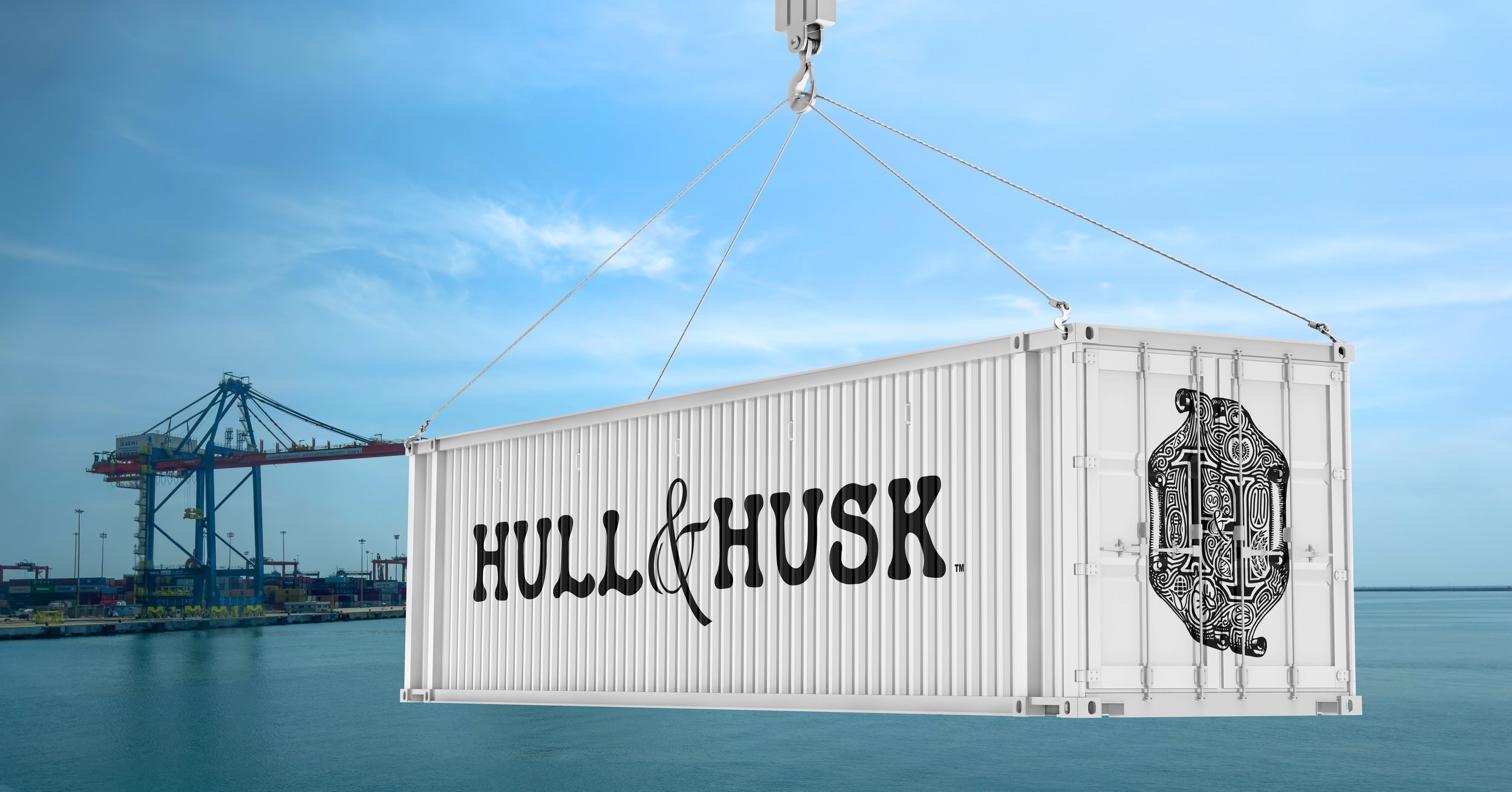
A modular, containerized pellet production plant that processes raw materials into finished pellets and supports packaging integration.
-
This is the core of Hull & Husk’s scalable model: take the plant to the material rather than hauling bulky feedstock long distances.
Reduces freight costs, improves supply security, and enables regional deployment near major feedstock sources.
-
Enables “copy/paste” expansion: deploy additional modules as demand grows.
Expands production footprint without building a traditional single, centralized plant—supporting faster growth and lower logistical friction.
Converting Waste Streams into Growth Streams
“We have taken Hull & Husk from a sketch of an idea to a functioning, multi-division company now standing on the precipice of true success. The strategy is sound, the opportunities are real, and we are now surrounded by partners, feedstock, and market interest that most startups never reach.
We are now at a crossroads: to move from “almost there” to fully realized potential, we must take the next step in expansion and bring more people into the work. We now need dedicated support in production, process, administration, business development, marketing, and overall growth. Hull & Husk is positioned in a place of exceptional upside. To unlock the value in front of us and build a scalable, resilient company, we need help—from additional team members in CAPEX and from partners willing to roll up their sleeves alongside us.”
-
Hull & Husk enters the quarter with clear traction and a strong foundation for the next stage of growth. What began as a proof-of-concept upcycling business is now evolving into a scalable platform spanning sustainable cooking fuels, animal products, repellents, and emerging soil and energy solutions—supported by strengthening regional visibility and a growing pipeline of partners.
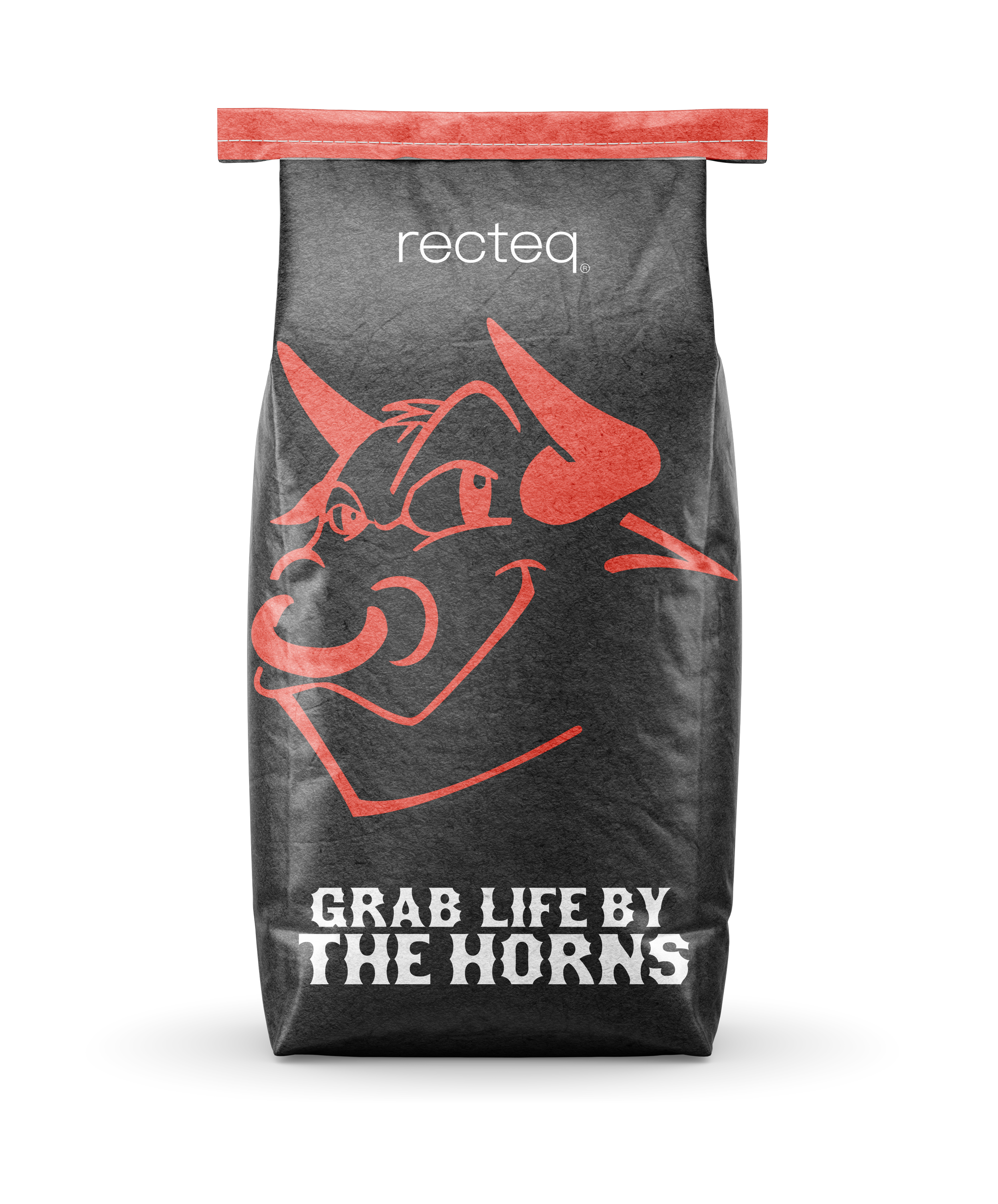
In the Cooking division, discussions with Big Green Egg, Starbucks, and Recteq are validating both product quality and demand for lower-carbon, story-driven fuels. In Animal, interest from The Landings, Tidewater Group, Amazon, and Florida Hardware signals a “ready when we are” purchase-order pipeline—reinforcing that production scale is now the primary constraint.
Strategically, the company is expanding beyond cooking and repellents by pursuing a major Starbucks feedstock partnership (up to 25,000 tons annually) to support soil amendments, biochar, and energy pellets. To enable that step-change in capacity, Hull & Husk is preparing to relocate its pilot plant from Bluffton to Bamberg, South Carolina, while also exploring alignment with Savannah College of Art and Design for investment, design, and sustainability storytelling.
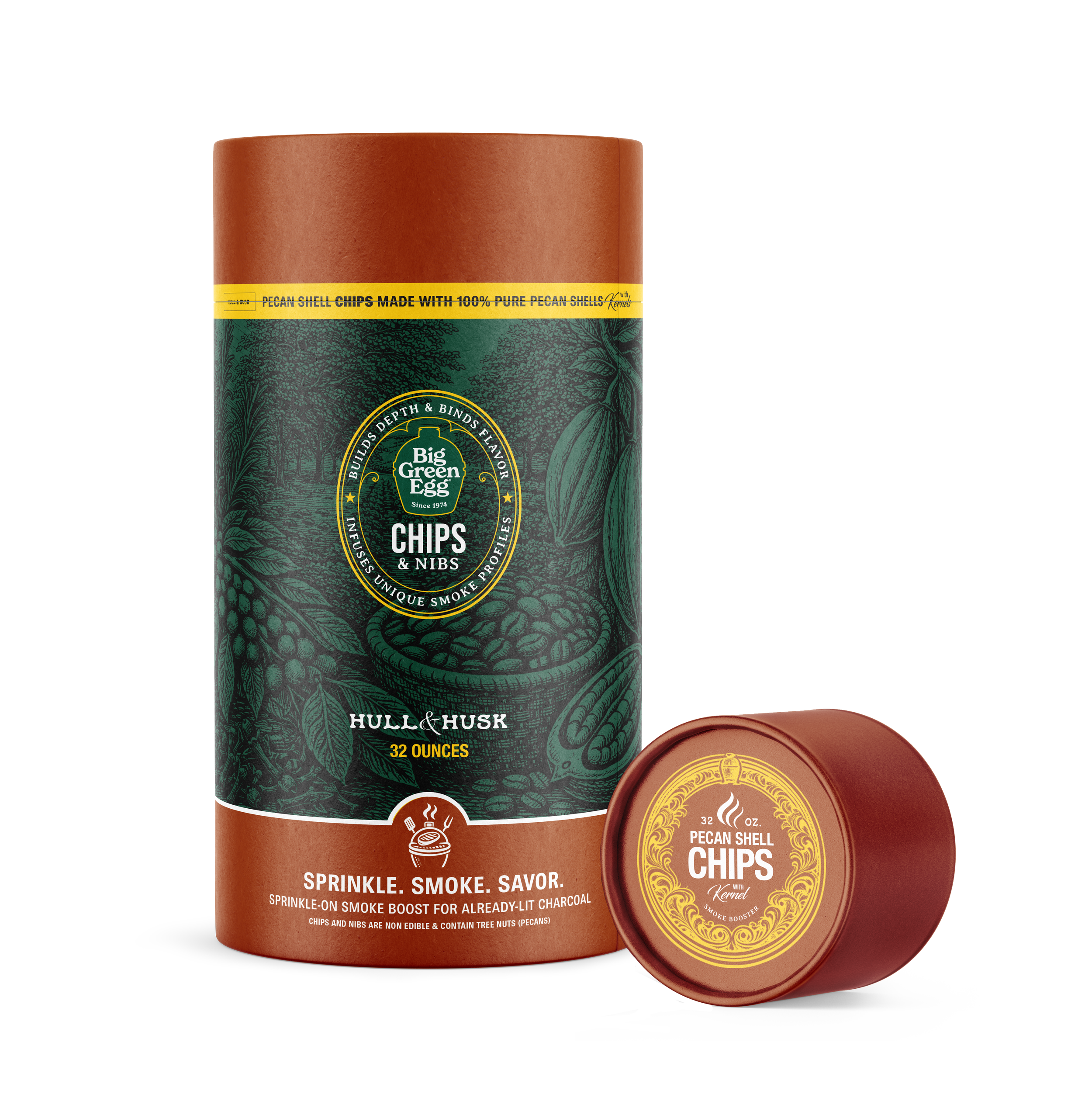

3-piece tubes are constructed using an all-paper base with an attached paper lip (inner tube), and a paper cap that fits on top of the lip to be flush with the base when the tube is closed. There is a paper disc on top and on the bottom. The 3-piece tube style is the most popular due to the aesthetically neat flush-fit construction.
Chips & Nibs

Custom Blended Pellets
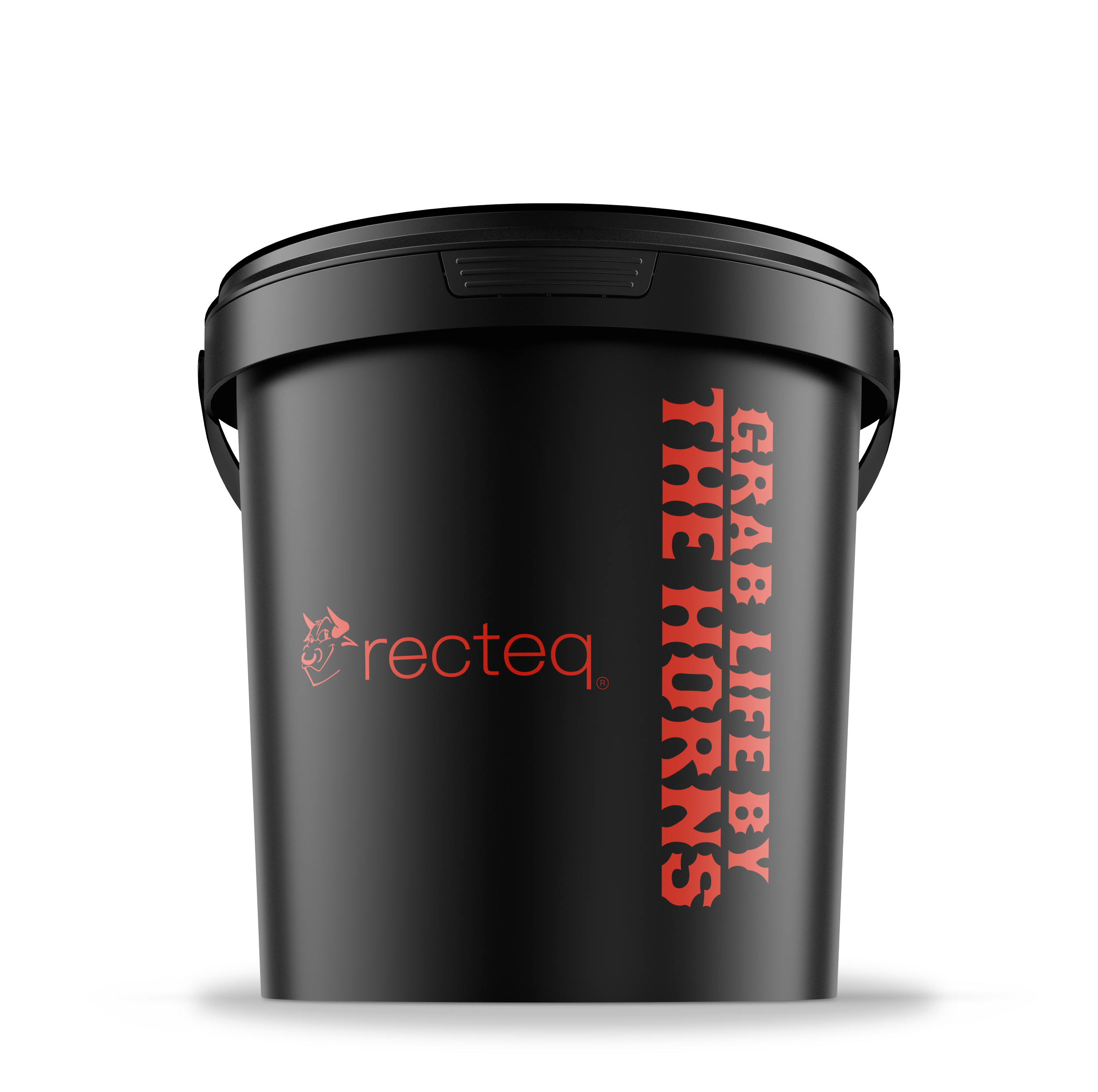
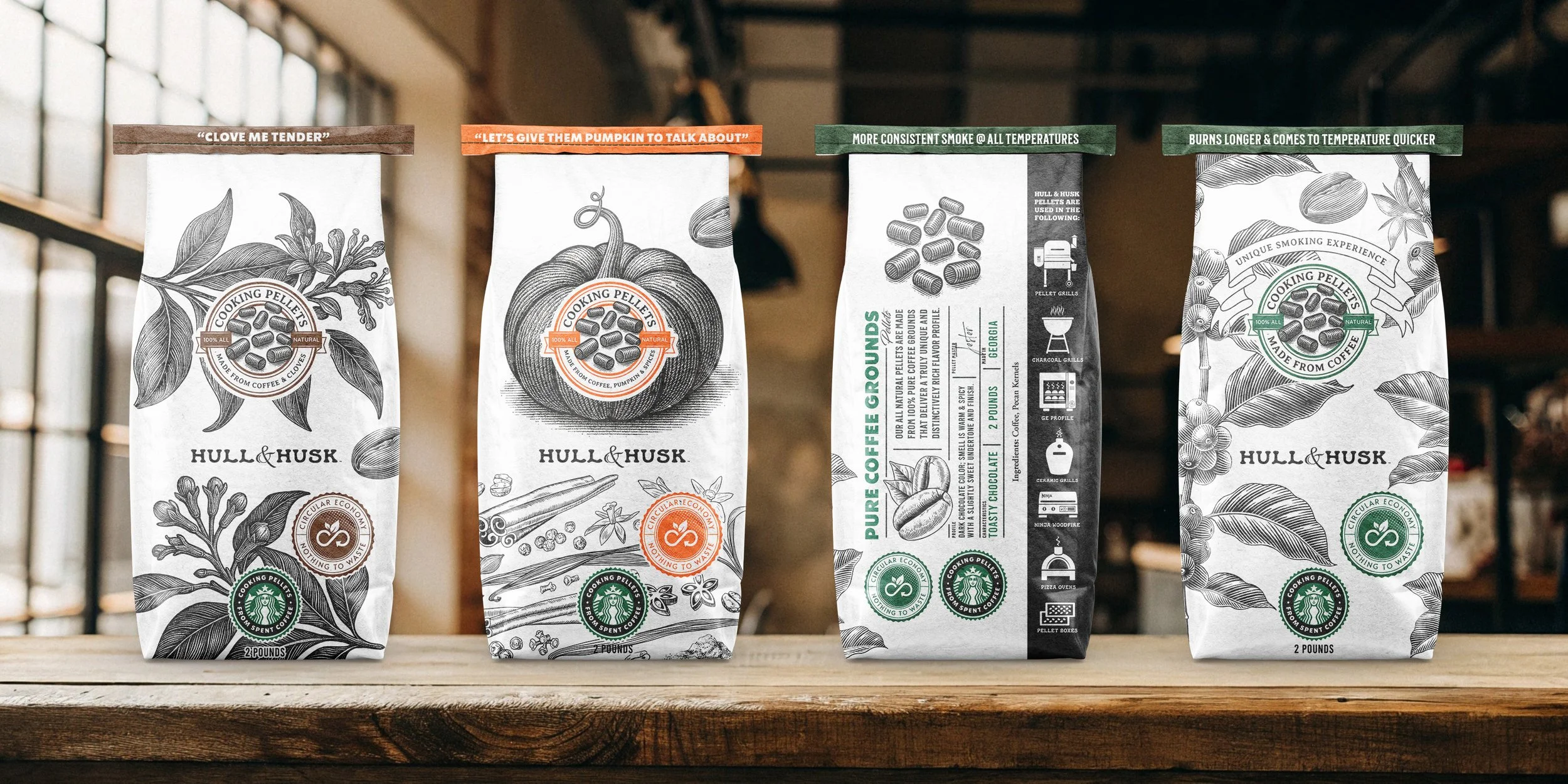
Coffee Cooking Pellets
Using spent coffee grounds to make cooking pellets is a clear win for both the environment and the bottom line. Instead of sending grounds to landfills—where they can generate methane as they break down—the material is dried, pelletized, and given a second life as a premium grilling fuel.