

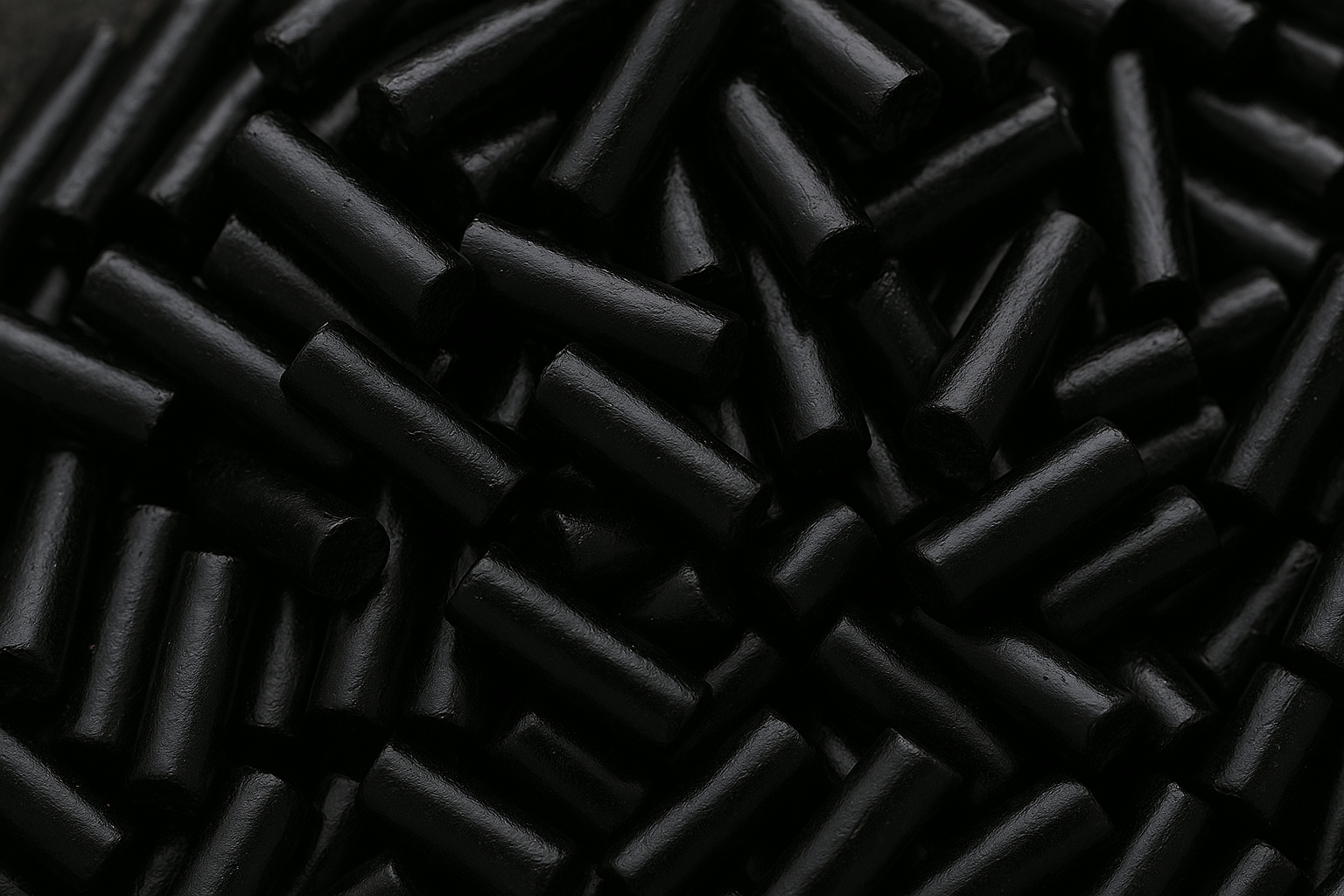
Brewing a Second Life for Spent Coffee Grounds (SPGs)
Circular partnership opportunity for cooking, agriculture, and repellents.
-
Collect spent grounds directly from manufacturing and, where efficient, store networks.
Standardize quality specs (moisture, contamination) at the point of collection.
-
Install a dedicated drying line sized for 9,000 tons/year.
Dry grounds to a safe, stable moisture target for transportation, storage and pelletization.
-
Densify dried grounds into engineered pellets.
Tailor blends and pellet specs for cooking, repellent, bedding, and biochar use.
-
Prioritize higher-value, brand-forward uses (cooking, deer repellent, bedding, soil amendment).
Direct remaining volumes into soil amendment sectors both through natural state and horrified.
“One feedstock, countless touch points for the circular story.”
Hull & Husk will use spent coffee grounds (SCGs) to build a portfolio of market sectors that are both environmentally responsible and financially strong. In the initial phase, SCGs are dried and diversified across sectors with existing outlets—including cooking pellets, deer repellent, chicken bedding, soil amendments and biochar—so that material flows immediately into real, functioning markets. The intent is not only to keep coffee grounds in a circular, low-waste system that supports sustainability and climate goals, but also to identify the highest-margin, highest-demand uses by testing multiple channels at the same time. Over time, performance data from these sectors will guide how volumes are allocated, ensuring that coffee grounds are directed into the mix of products that delivers the greatest combined environmental and economic return.
The 5 Product Streams
-
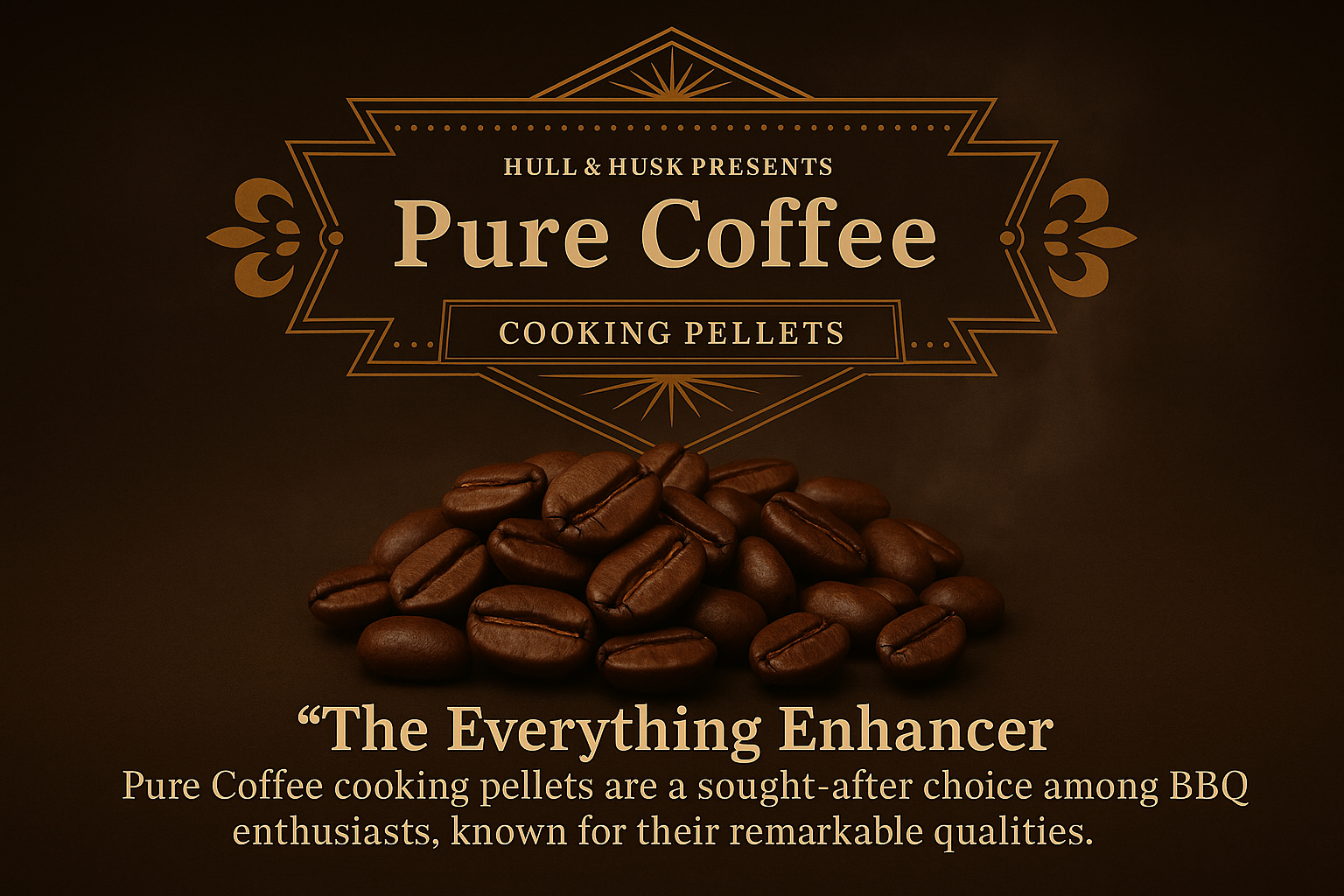
Cooking Pellets
Premium cooking pellets where coffee grounds are the hero ingredient, blended with complementary biomass for optimal grill performance.
-
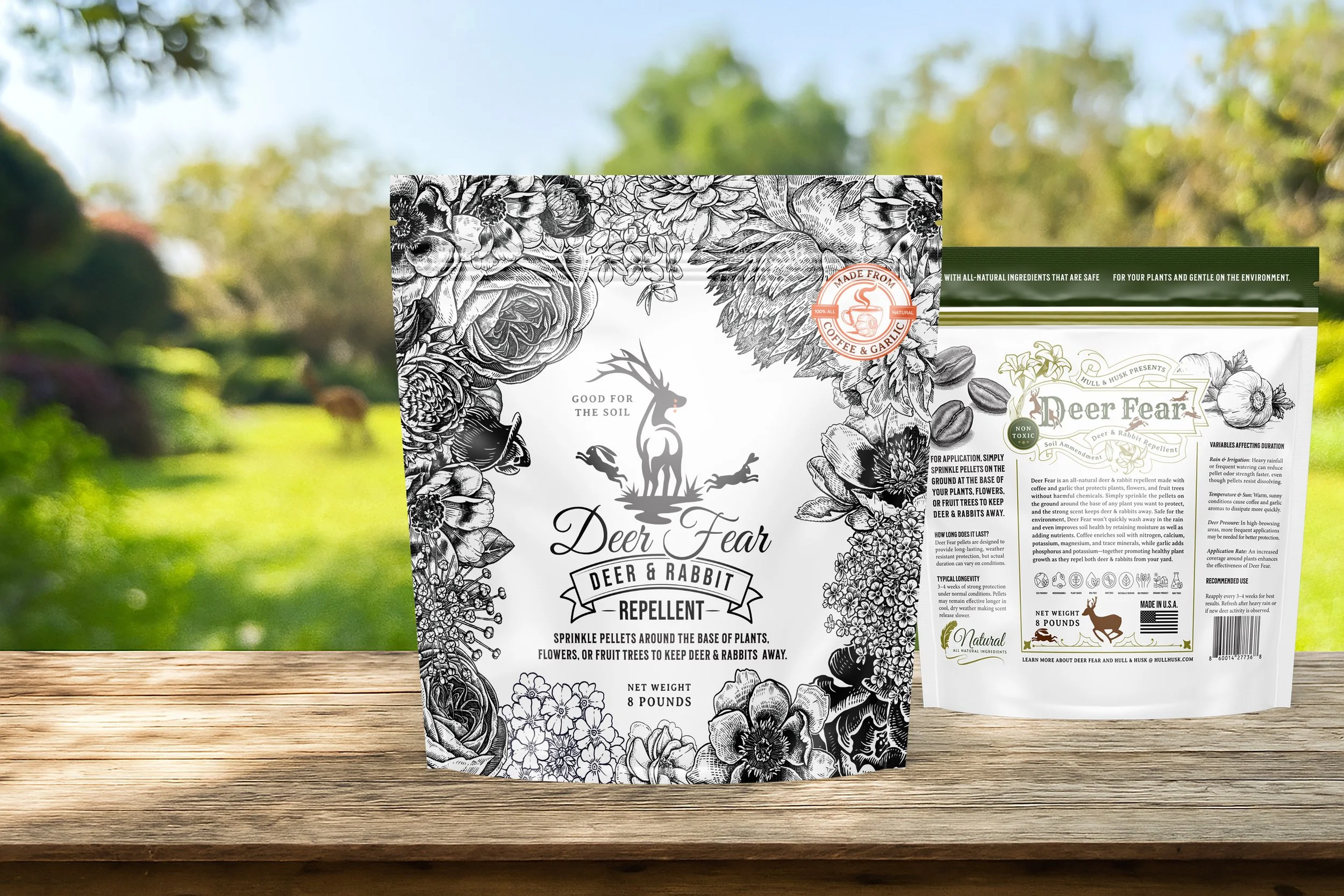
Deer Repellent
Pelletized coffee + natural repellents (e.g., garlic-based blends) for gardens, landscapes, and field edges.
-
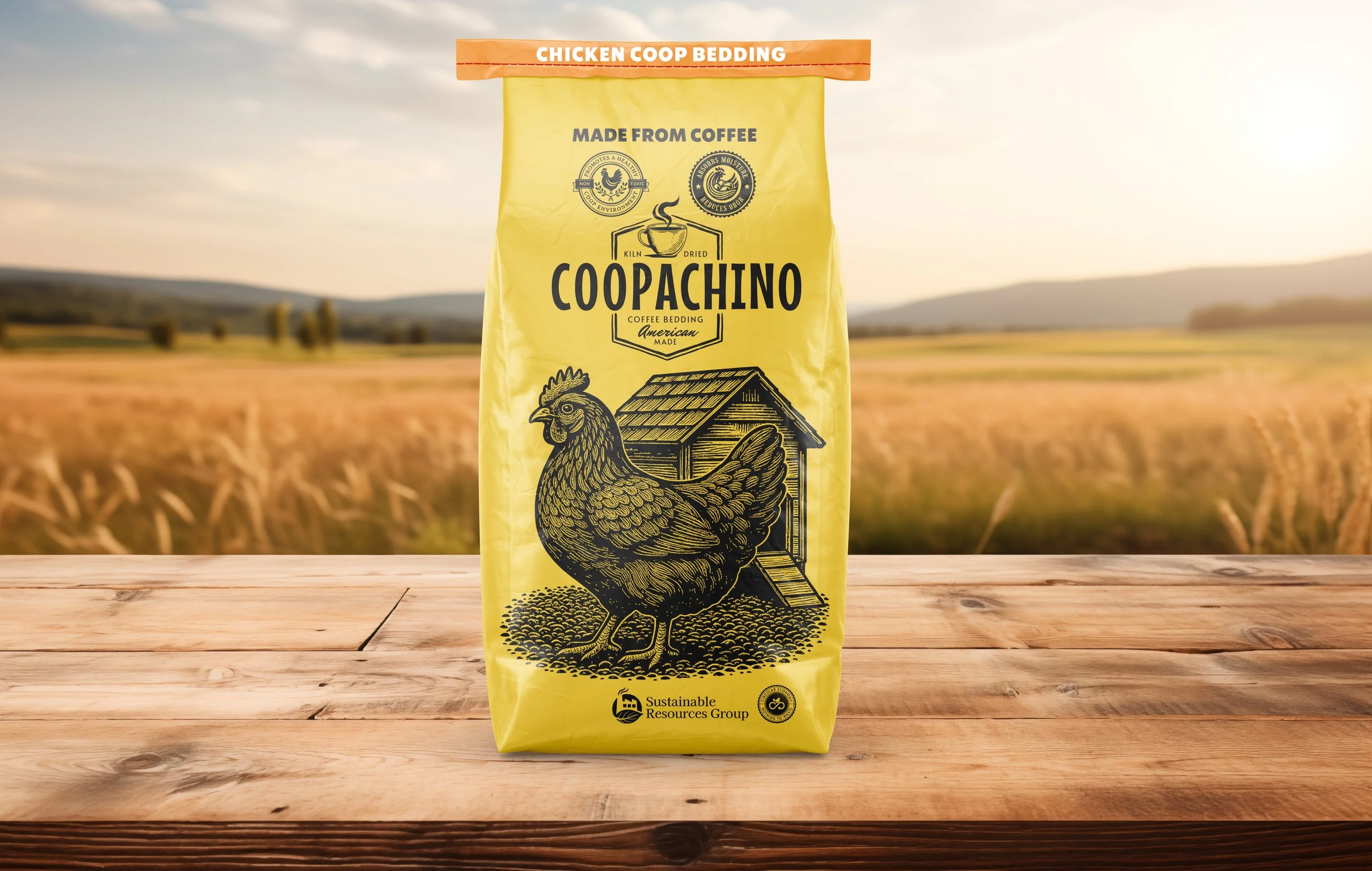
Chicken Coop Bedding
High-absorbency bedding pellets for backyard and small-scale poultry, made from dried coffee grounds and optimized blends.
-
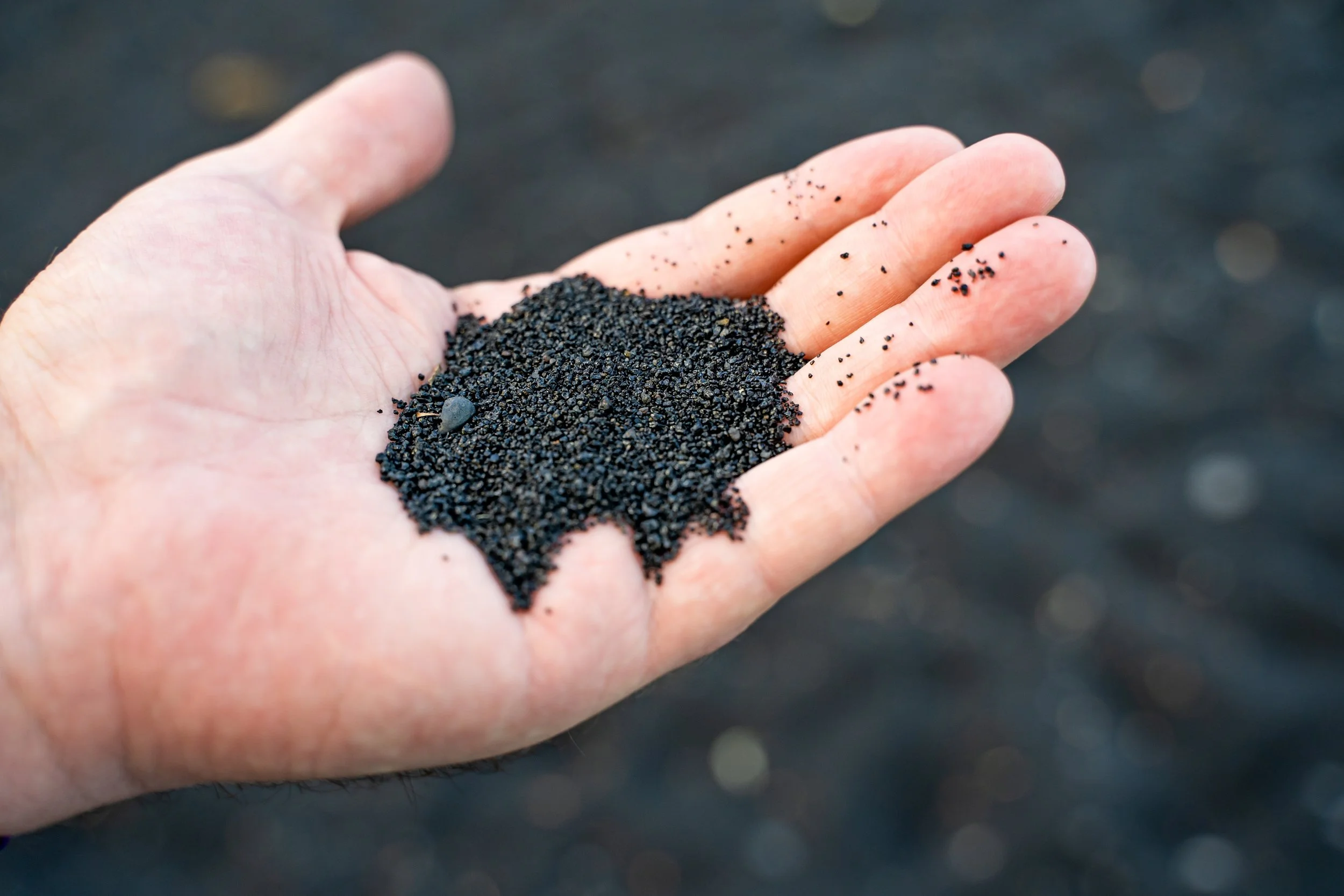
Soil Amendment
Use spent coffee grounds as a soil-building amendment and compost enhancer, either as a pelletized product or as a blended, ready-to-apply soil conditioner.
-
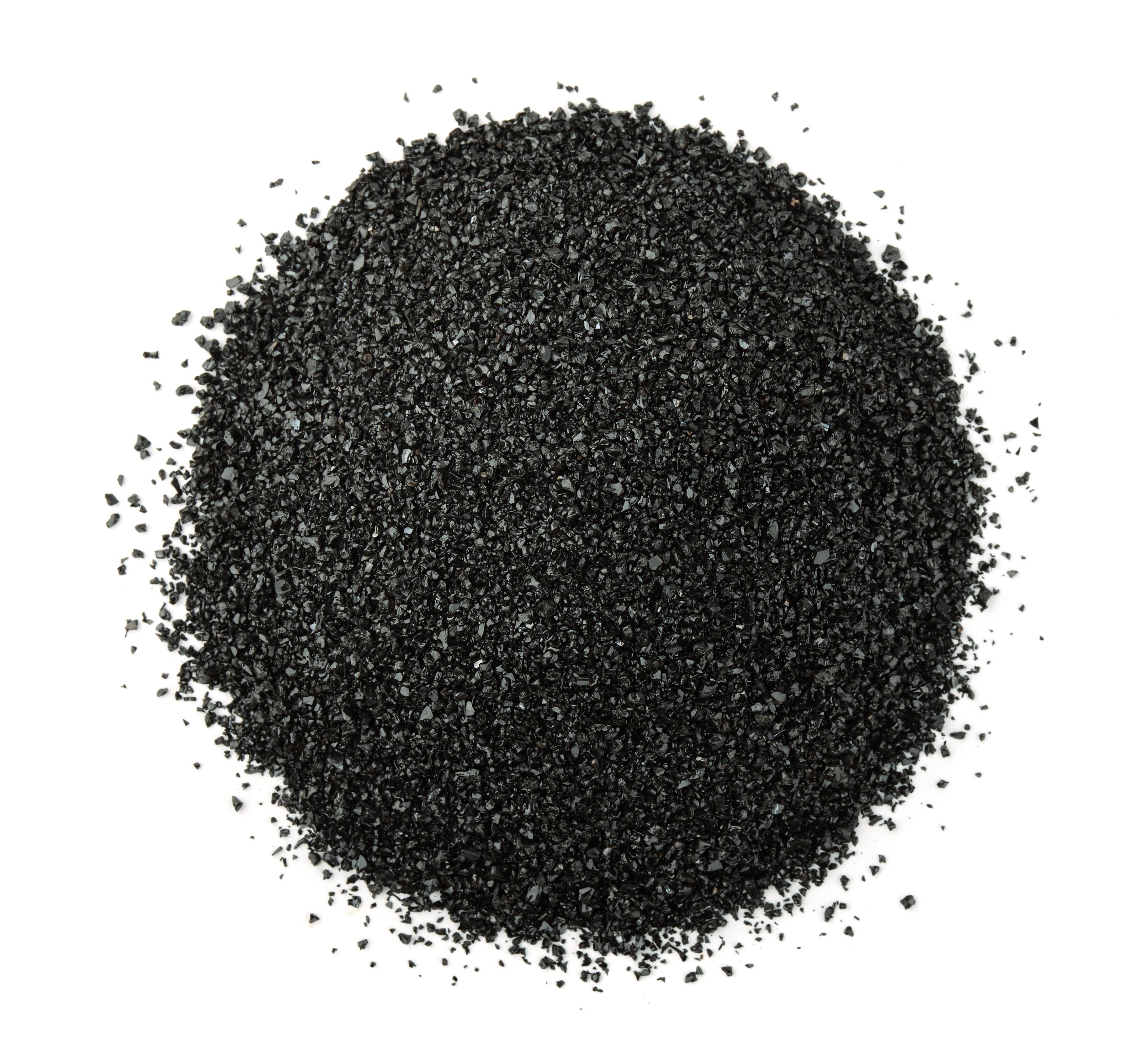
Bio Char
Convert a portion of coffee grounds (or pellets) into biochar via controlled high-temperature pyrolysis, creating a stable form of carbon to be blended into soils and specialty substrates.
Cooking Pellets
Premium cooking pellets where coffee grounds are the hero ingredient, blended with complementary biomass for optimal grill performance.
Key Benefits
Flavor and Experience
Deep, roasty aroma that enhances bark and crust on meats and vegetables.
Brand Storytelling
“Brewed. Roasted. Grilled.” — a natural extension into the backyard and outdoor cooking space.
Channels
Backyard pellet grills & smokers, specialty grocers, outdoor retailers, seasonal gift packs.
Margins ($2 additional per pound)
Coffee Supplier could NET an additional $2 per pound on cooking pellets at the retail level.
Pure Coffee Cooking Pellets
Using spent coffee grounds to make cooking pellets is a clear win for both the environment and the bottom line. Instead of sending grounds to landfills—where they can generate methane as they break down—the material is dried, pelletized, and given a second life as a premium grilling fuel. This keeps valuable biomass in circulation, reduces demand for virgin wood or fossil-based alternatives, and lets consumers participate directly in a visible circular economy story every time they fire up the grill. At the same time, coffee-based cooking pellets can command attractive price points in the specialty outdoor cooking market, creating a meaningful, repeatable revenue stream from what was previously a cost center. In short, the same coffee that starts in the cup goes on to power backyard cooking, turning waste into both environmental value and profitable product.
Pumpkin Spice Cooking Pellets
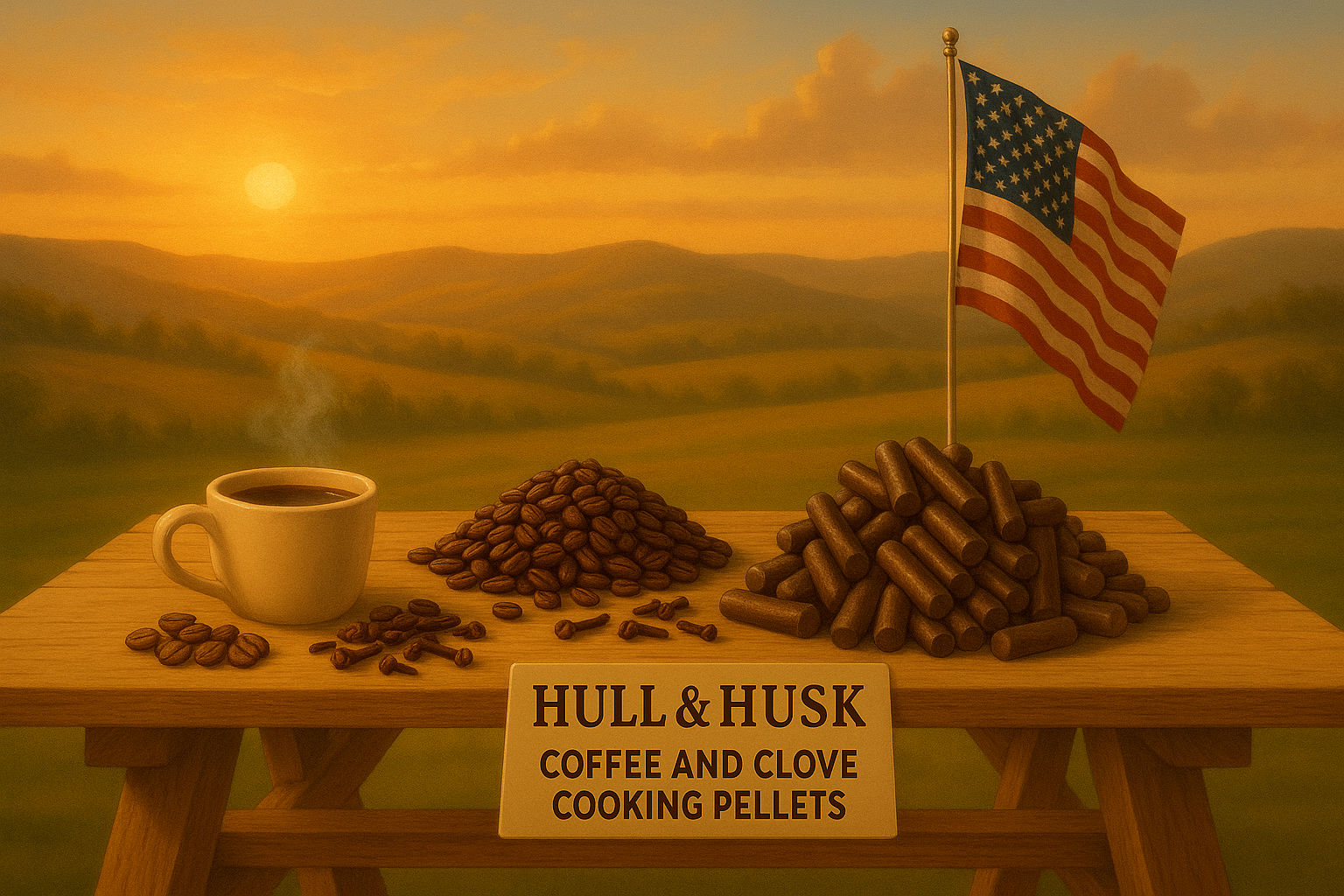
Coffee & Clove Cooking Pellets
Deer & Rabbit Repellent
Pelletized coffee + natural repellents (e.g., garlic-based blends) for gardens, landscapes, and field edges.
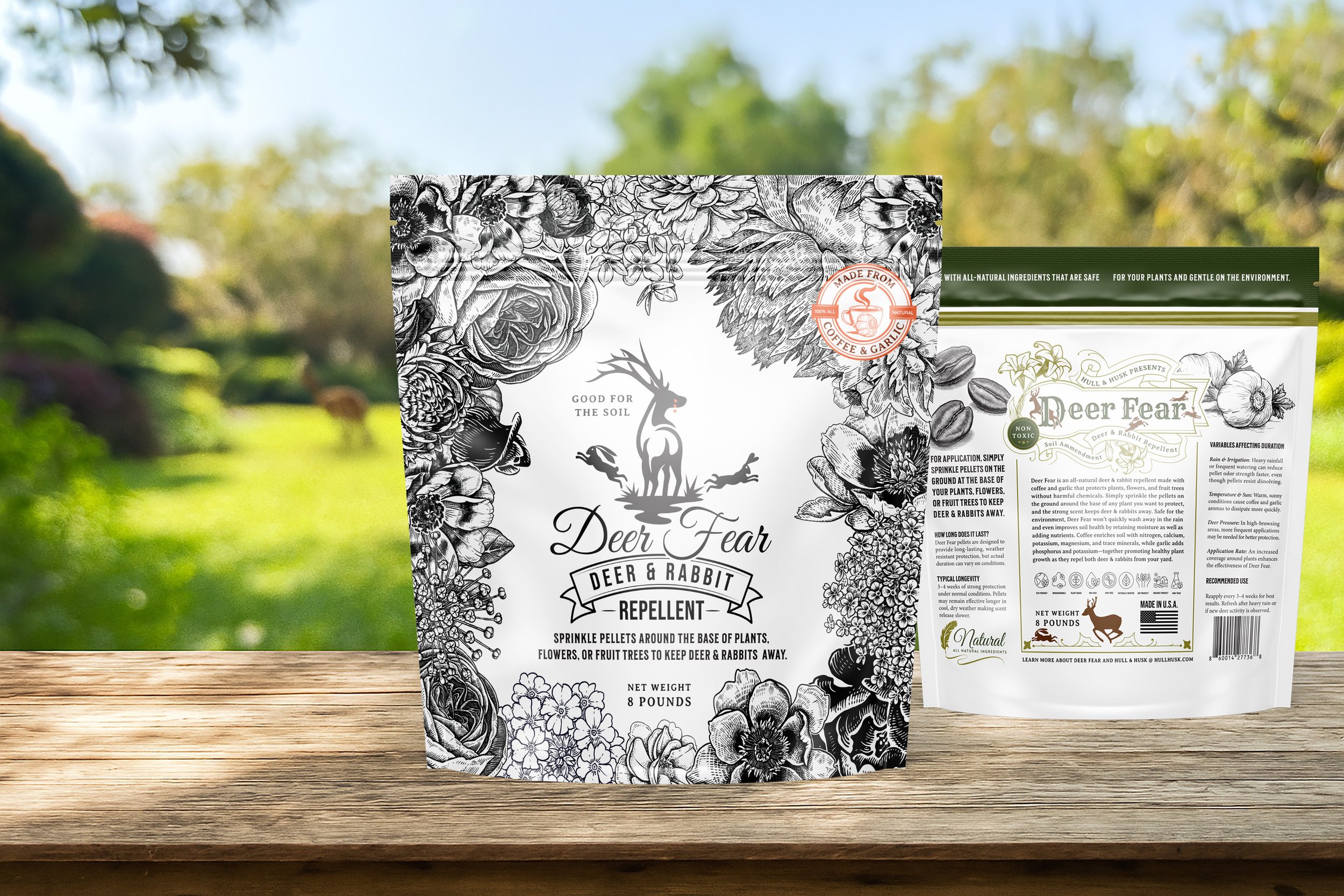
Using spent coffee grounds to make deer repellent keeps materials in use longer and creates a gentler, more sustainable option for managing wildlife. Instead of relying solely on synthetic chemicals or single-use plastic gadgets, dried coffee grounds can be blended with other natural ingredients and pelletized into an easy-to-apply, biodegradable repellent. This approach puts a former waste stream to work protecting crops, landscapes, and gardens without introducing persistent toxins into the environment. After the repellent has done its job, the remaining organic material can break down and return to the soil, keeping the carbon in circulation rather than in a landfill. In this way, the same coffee that started as an agricultural crop is reused to support healthy plants and responsible wildlife management, reinforcing a circular economy where “waste” becomes a valuable environmental tool.
Key Benefits
Practical and Natural
Easy to spread pellets that slowly release aroma and active ingredients.
Circular Landscaping
Grounds gain a second life protecting plants, shrubs, and crops.
Channels
Nurseries, landscape supply, garden centers, farm & feed stores.
Chicken Coop Bedding
High-absorbency bedding for backyard and small-scale poultry, made from dried coffee grounds and optimized blends.
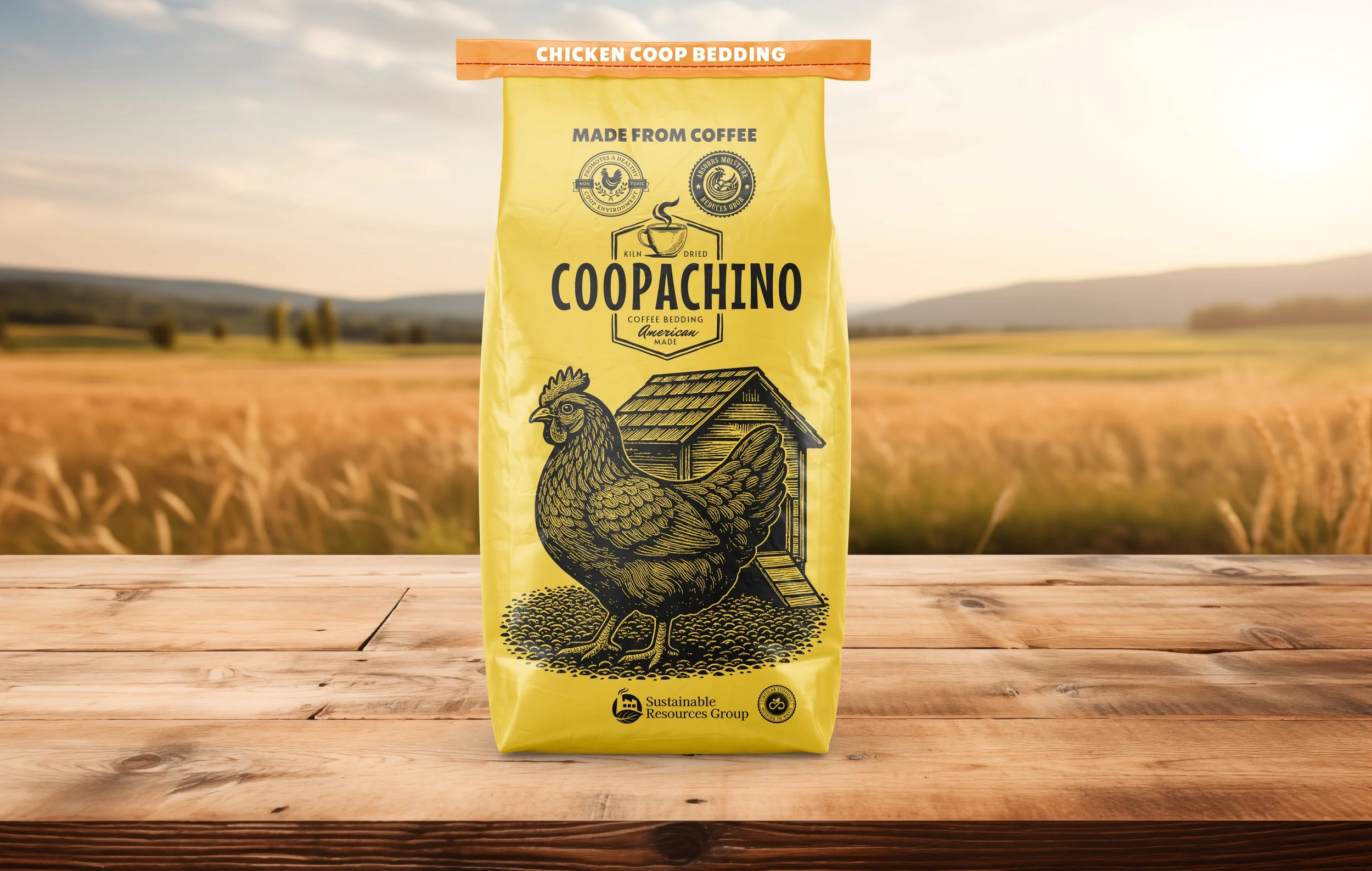
Using spent coffee grounds as chicken coop bedding keeps carbon in circulation and supports a more sustainable, environmentally friendly system. Instead of decomposing in a landfill and potentially generating methane, the grounds are dried, pelletized, and used as a high-absorbency bedding material in coops. As birds use the bedding, it naturally mixes with manure and, when cleaned out, can be composted and returned to fields or gardens as a nutrient-rich soil amendment. That means the same carbon that began in coffee plants is used first to brew beverages, then to support animal care, and finally to help build healthier soils—reducing waste, lowering reliance on virgin materials, and turning a single “waste” stream into repeated environmental value.
Key Benefits
Clean & Manageable
Creates a soft, absorbent bedding layer.
Compost Ready
Used bedding can be composted and returned to soil—closing another loop.
Channels
Farm & feed stores, co-ops, e-commerce, hardware chains serving hobby farmers.
Soil Amendment
Use spent coffee grounds as a soil-building amendment and compost enhancer, either as a pelletized product or as a blended, ready-to-apply soil conditioner.

Using spent coffee grounds as a soil amendment keeps carbon in the ground and firmly inside a sustainable circular economy. Instead of sending organic material to landfills—where it can break down anaerobically and generate methane—a powerful greenhouse gas—the grounds are returned to the soil as a source of organic matter. This added organic matter helps build soil carbon, improves structure and water-holding capacity, and supports healthy microbial life, which can reduce the need for energy-intensive synthetic inputs over time. In effect, the carbon that started in coffee plants is cycled back into the soil as a useful resource, not discarded as waste, closing the loop between agriculture, manufacturing, and land stewardship.
Key Benefits
Builds Organic Matter
Adds carbon-rich organic material that helps improve soil structure, water-holding capacity, and microbial activity.
Support Regenerative Growing
Used bedding can be composted and returned to soil—closing another loop.
Closes the Loop on Land
After a first life in the cup and a second life in manufacturing, the coffee grounds finish their journey back in the soil.
Channels
Garden centers & nurseries
Landscape supply yards
Farm & feed stores
Municipal or private composting partners
Biochar
Use spent coffee grounds as a soil-building amendment and compost enhancer, either as a pelletized product or as a blended, ready-to-apply soil conditioner.

Biochar turns spent coffee grounds into a long-lived form of carbon that helps close the loop in a sustainable circular economy. When SCGs are converted to biochar through controlled high-temperature pyrolysis, much of their carbon is locked into a stable, charcoal-like structure instead of returning quickly to the atmosphere as CO₂ or methane. Mixed into soils, this biochar can improve water retention, root aeration, and microbial activity, giving growers a performance benefit while effectively “parking” carbon in the ground for decades or longer. In this way, the same coffee that began as an agricultural crop is returned to the soil as a climate-friendly amendment, reducing net emissions and creating ongoing value from a former waste stream.
Key Benefits
Long Term Bio Storage
Locks a share of the coffee’s carbon into a stable form that can remain in soils for decades or longer, supporting carbon-removal goals.
Soil Performance
Improves soil structure, aeration, and water-holding capacity when blended into soils and growing media.
Circular “Third” Life
Coffee grounds have a first life in the cup, a second life as pellets, and a third life as high-value biochar returned to the land.
Channels
Soil amendment and compost manufacturers
Regenerative and specialty crop farms
Landscape and turf managers
Carbon-credit or carbon-removal programs (where applicable)